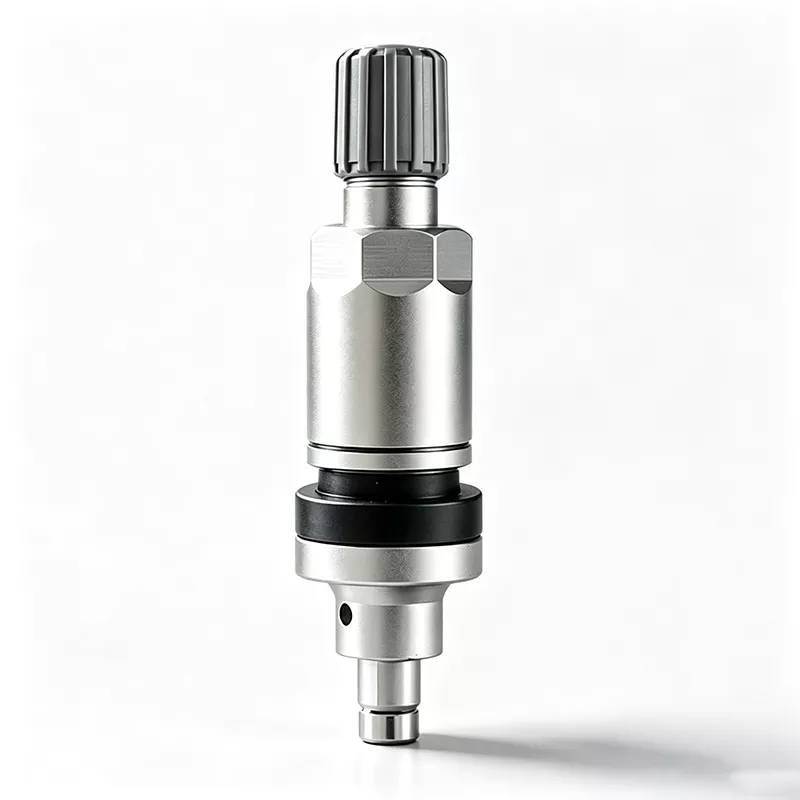
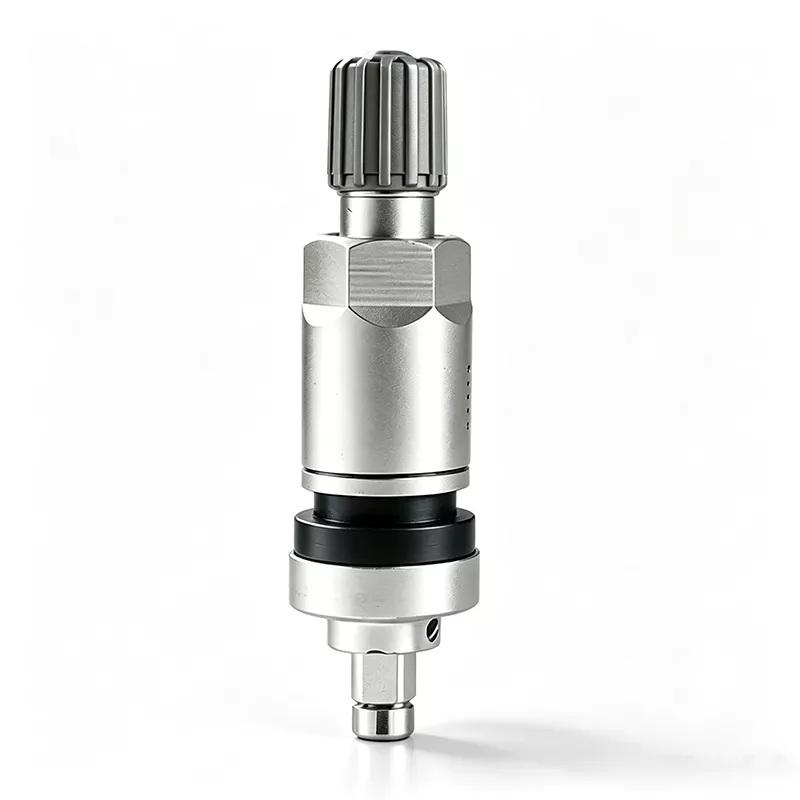
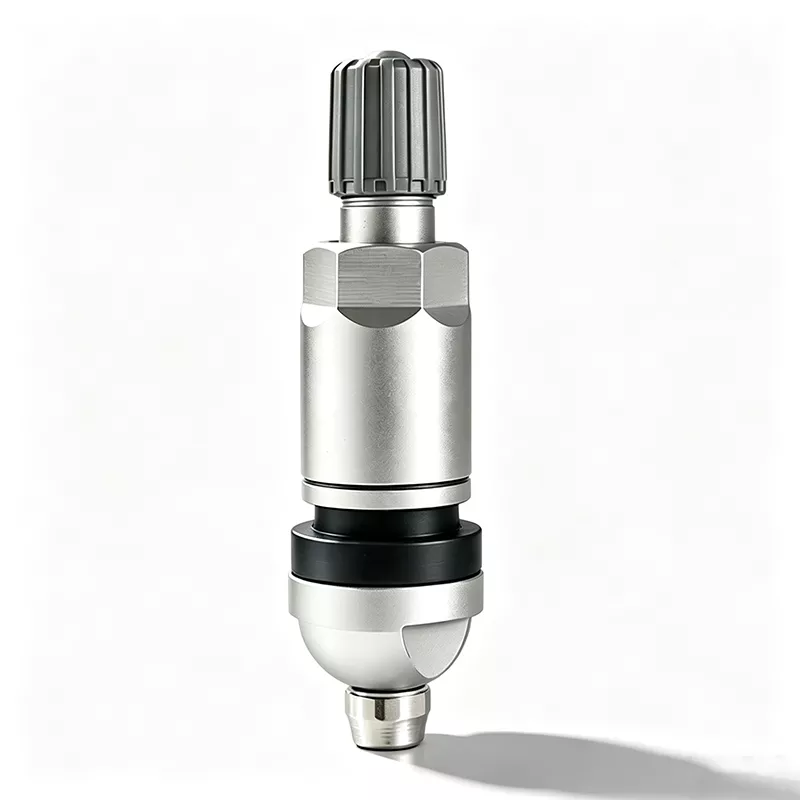
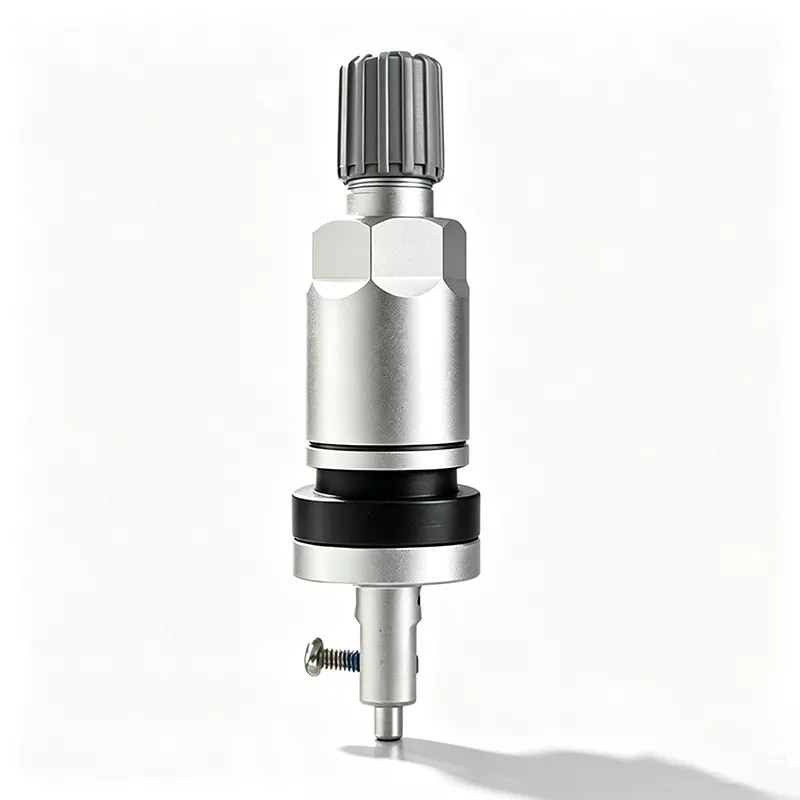
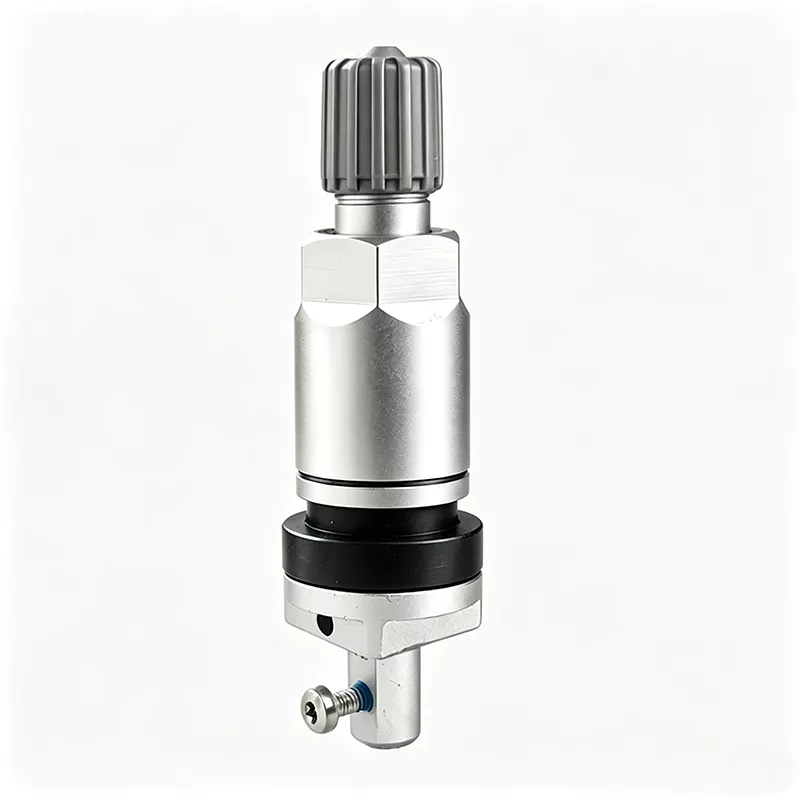
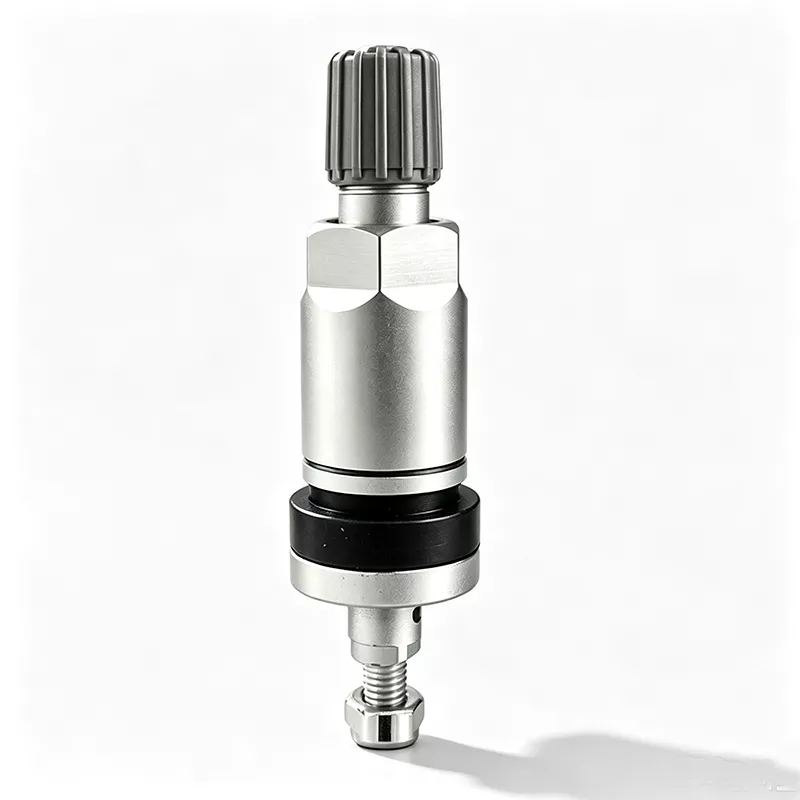
TPMS Valve 27 – TPMS Replacement Valve for BAIC HUANSU
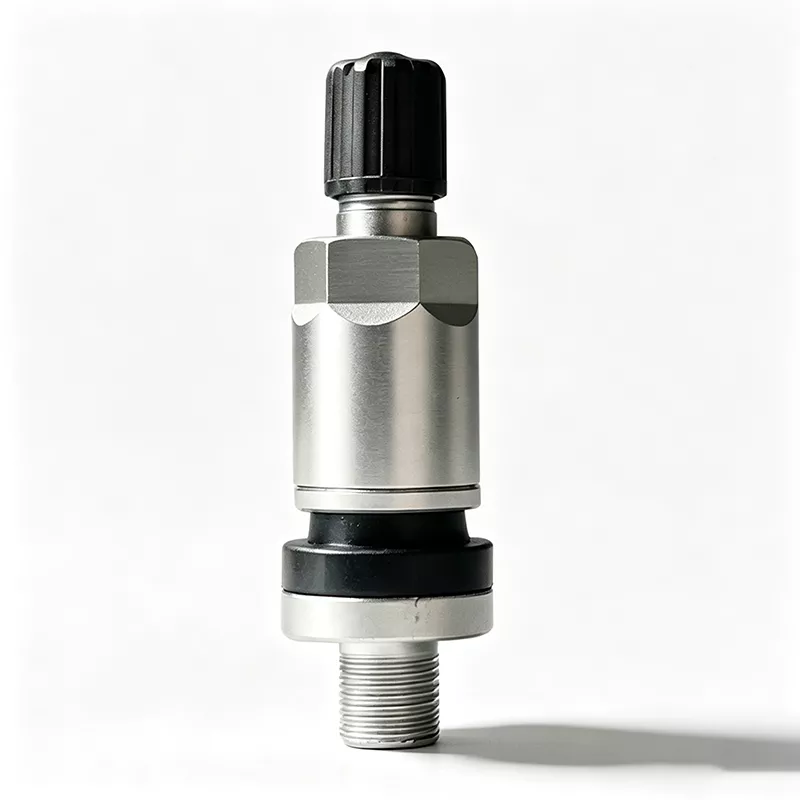
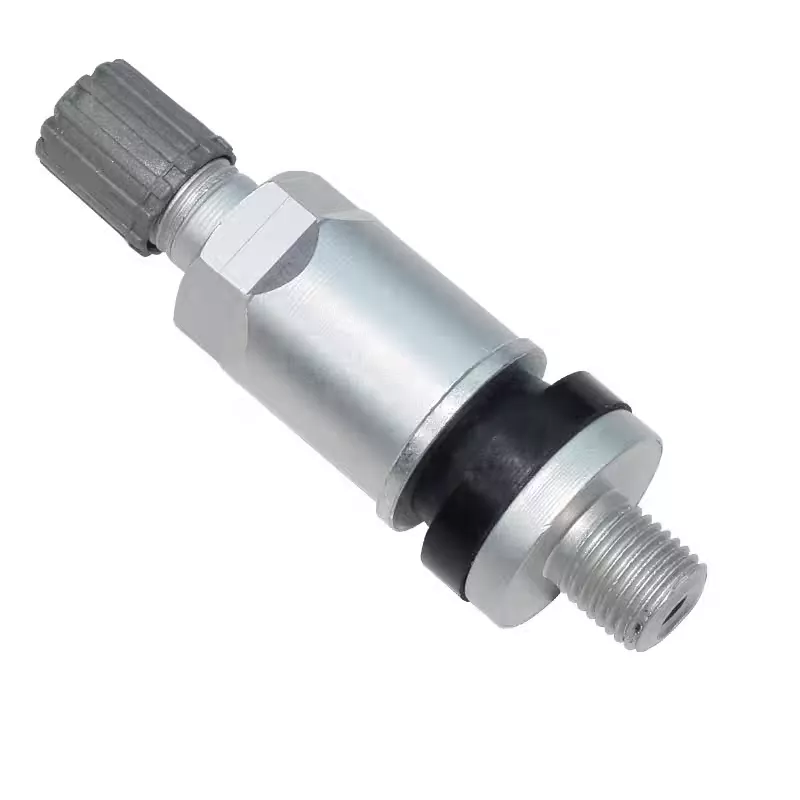
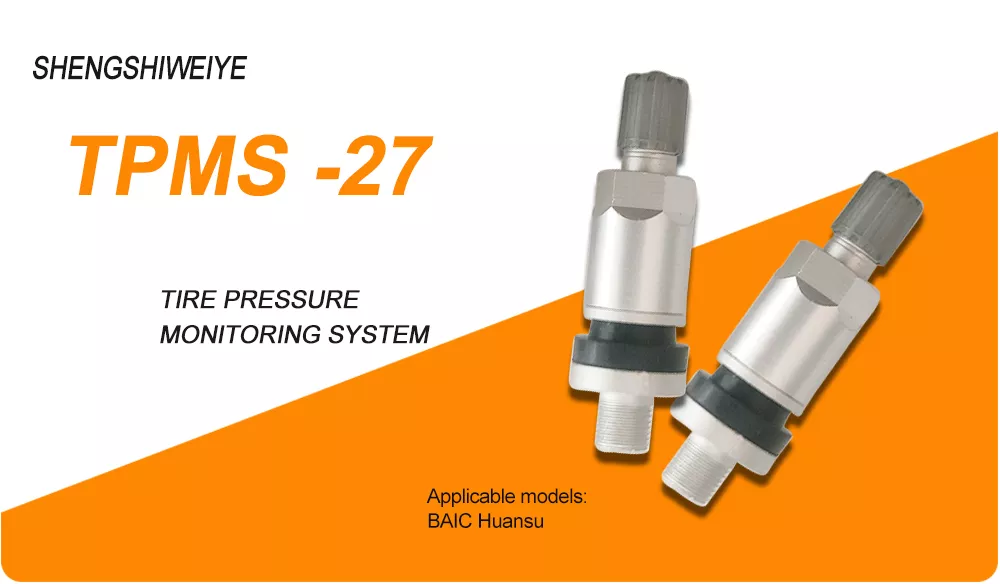
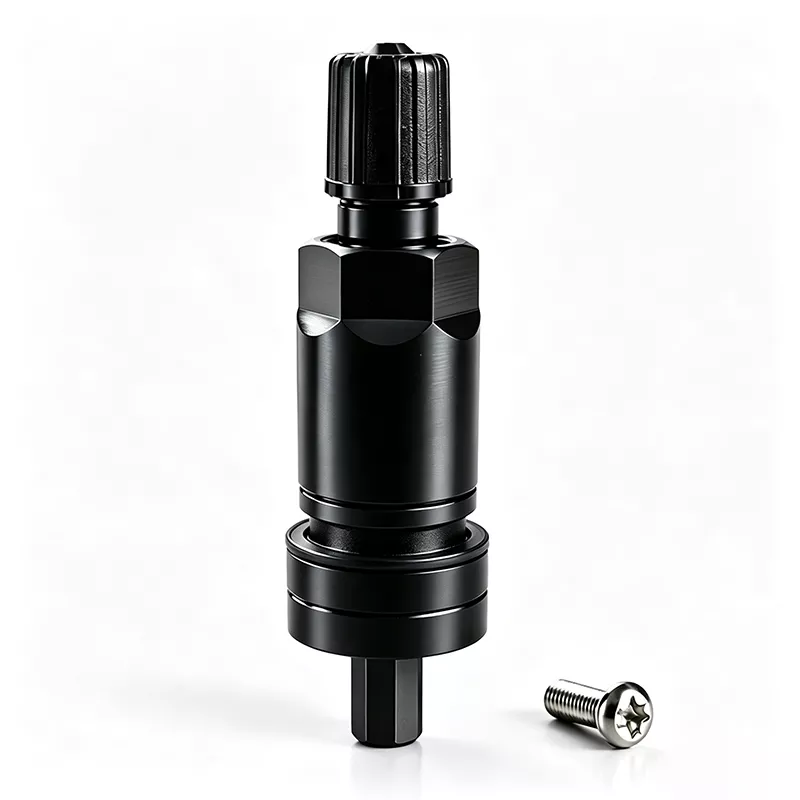
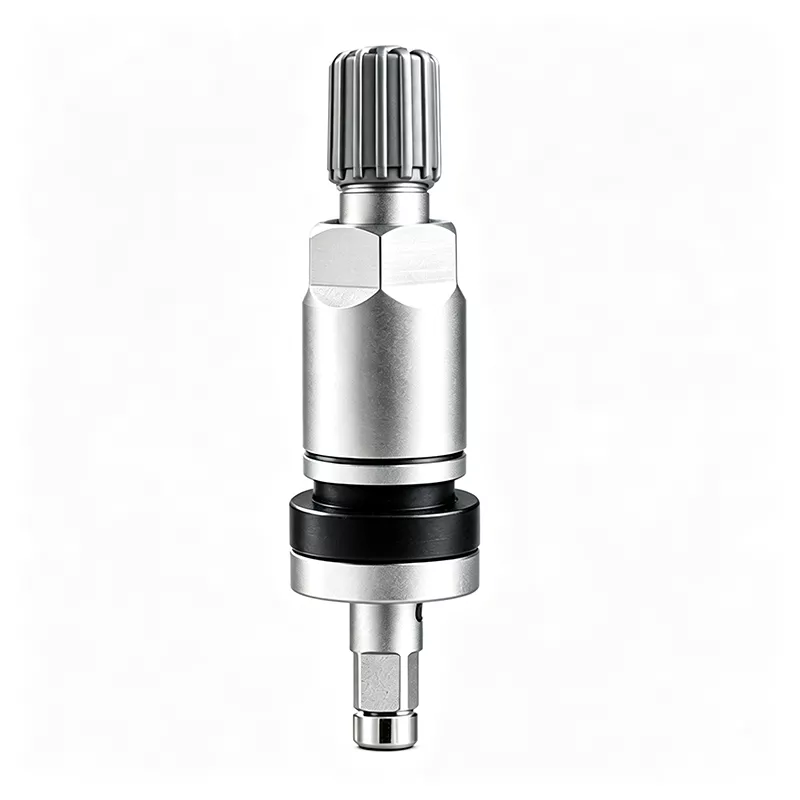
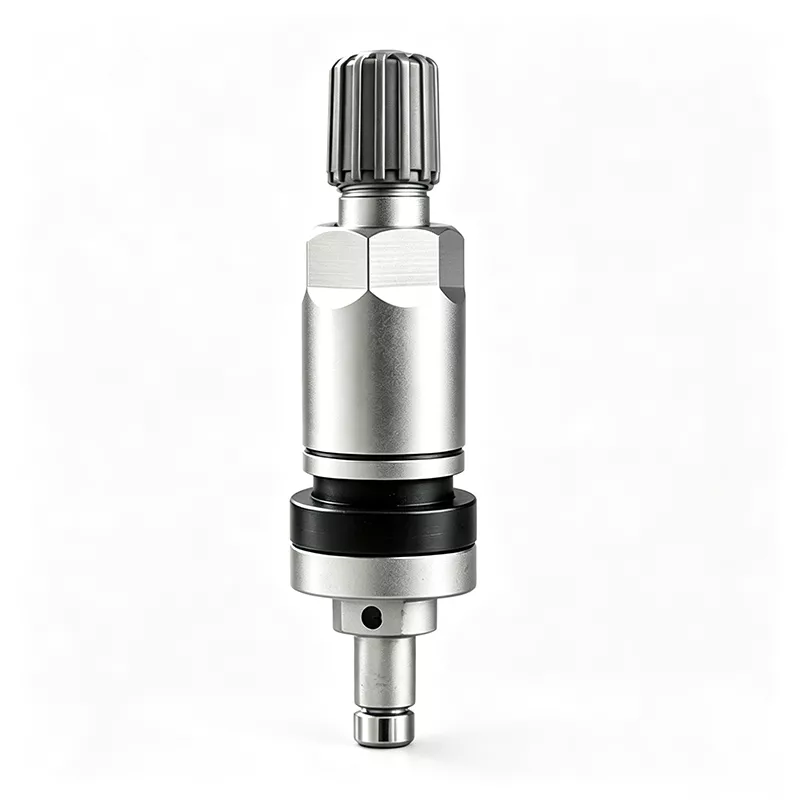
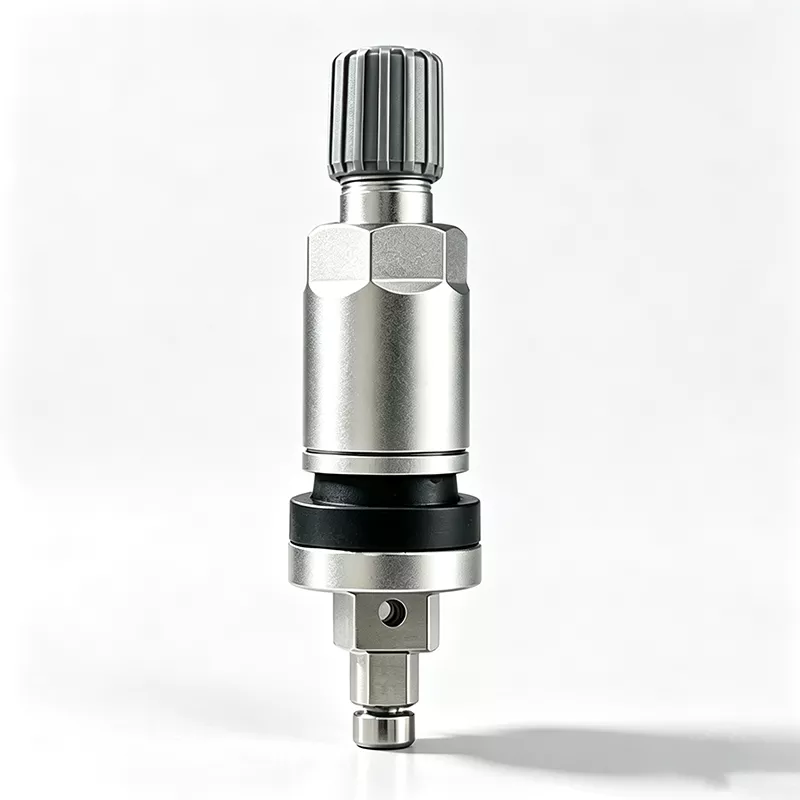
TPMS Valve 27 is an aftermarket TPMS replacement valve designed for selected BAIC HUANSU (Beiqi Huansu ) applications. It is developed for TPMS sensor replacement, tire service, wheel maintenance, and automotive aftermarket applications.
As a wheel-mounted TPMS component, the valve provides the connection between the TPMS sensor and wheel rim while helping maintain reliable air sealing after installation.
TPMS Valve 27 is suitable for automotive parts distributors, tire service centers, repair shops, TPMS suppliers, and aftermarket wholesalers looking for a replacement valve for compatible BAIC HUANSU applications.
Designed for BAIC HUANSU ApplicationsTPMS Valve 27 is developed for selected BAIC HUANSU vehicles and provides an aftermarket replacement option for compatible TPMS valve assemblies.
Suitable for TPMS ServiceThe valve can be used during:TPMS sensor replacement, Tire replacement, Wheel maintenance, TPMS repair
Professional Aftermarket ApplicationTPMS Valve 27 can be used for compatible BAIC HUANSU TPMS applications, including selected models such as.
Technical Product Data
Model
TPMS Valve 27
Product Type
TPMS Replacement Valve Stem
Applicable Models
BAIC HUANSU
Valve Type
Tubeless / Clamp-in TPMS Valve
Material
Aluminum Alloy + EPDM Rubbe
Valve Core
Pure Copper
Cap Material
Nylon
Safe and stable, high driving reliability
TPMS Valve 27 can be used for compatible BAIC HUANSU TPMS applications, including selected models such as:
BAIC HUANSU H3
BAIC HUANSU H3F
BAIC HUANSU S3L
BAIC HUANSU S5
BAIC HUANSU S6
BAIC HUANSU S7
Applicable Vehicle Brands
PMS Valve 27 is designed for selected BAIC HUANSU TPMS applications.
BAIC HUANSU TPMS application data includes models such as H3, H3F, S3L, S5, S6, and S7, with application years varying by model. For example, available TPMS application data lists H3F from 09/2016–12/2019 and S3L from 09/2016–12/2020.
Because TPMS valve and sensor configurations can vary by vehicle year and sensor generation, compatibility should be confirmed using the original valve, TPMS sensor, vehicle model, production year, or OE reference before installation.
Why Replace the TPMS Valve?
The TPMS valve is exposed to tire pressure, wheel installation and repeated tire service. During tire replacement or TPMS sensor maintenance, an old or damaged valve may need to be replaced together with the sensor.
A suitable replacement valve can help:
Maintain proper air sealing
Secure the TPMS sensor to the wheel
Reduce potential leakage caused by damaged sealing components
Support reliable TPMS sensor installation
Simplify professional tire service
Installation Guide
Confirm that TPMS Valve 27 matches the original TPMS sensor.
Check the wheel rim and valve hole before installation.
Install the valve and sealing components correctly.
Tighten the assembly according to the recommended specification for the corresponding TPMS system.
Inflate the tire and check for air leakage.
Complete TPMS relearning or sensor initialization when required.
Professional installation is recommended. Always verify compatibility before installation.
The TPMS Valve 27 tire valve is suitable for
Reliable Air Sealing Performance
TPMS Valve 27 is manufactured with precise dimensions to ensure a secure connection between the valve stem and wheel rim, helping reduce air leakage risks and improving installation reliability.
Designed for TPMS Sensor Applications
The valve stem is specially designed for TPMS sensor installation and replacement, making it suitable for professional tire technicians and automotive service providers.
Premium Vehicle Compatibility
These brands commonly use metal TPMS valve stem solutions in factory and aftermarket service applications.
Suitable for Vehicle Service and Aftermarket Supply
AutomobilesCarsTrucksSUVsMotorcyclesTire Repair WorkshopsAuto Service CentersWheel Balancing ApplicationsAutomotive Aftermarket Distribution
Installation precautions
Each replacement must use a brand new sealing gasket, and it is forbidden to reuse the old gasket to cause air leakage.
The thread locking force is moderate to avoid excessive force causing thread slippage or damage to the sensor base.
During installation, keep the flat surface parallel to the inner wall of the tire to prevent tilting and rubbing against the tire, which may cause safety hazards.
How to replace the tire valve
01Dismount tire & remove old TPMS valve stem
Deflate the tire fully, break the tire bead, unscrew the TPMS sensor fastener, take off the worn valve stem, clean rust and debris from the rim hole.
02Install new TPMS valve stem
Insert the new valve through the rim hole, fit the sealing gasket, attach the TPMS sensor to the valve stem and tighten to specified torque for reliable sealing.
03Remount tire, inflate & test air tightness
Reinstall the tire, inflate to recommended pressure. Test for air leaks with soapy water. Complete TPMS sensor relearn if required.
Tip: When replacing the valve, it is necessary to perform dynamic balancing.
Frequently Asked Questions
What is TPMS Valve 27?
TPMS Valve 27 is an aftermarket TPMS replacement valve designed for selected BAIC HUANSU applications.
Which vehicles use TPMS Valve 27?
TPMS Valve 27 is intended for selected BAIC HUANSU applications. Potential applications include H3, H3F, S3L, S5, S6 and S7, depending on the specific TPMS system and vehicle year.
Is TPMS Valve 27 compatible with all BAIC HUANSU vehicles?
Not necessarily. TPMS valve configurations may vary between vehicle models, production years, and sensor generations. Always confirm the original sensor and valve specifications before ordering.
Can TPMS Valve 27 replace a damaged TPMS valve?
Yes, when the valve is confirmed to be compatible with the corresponding TPMS sensor and wheel.