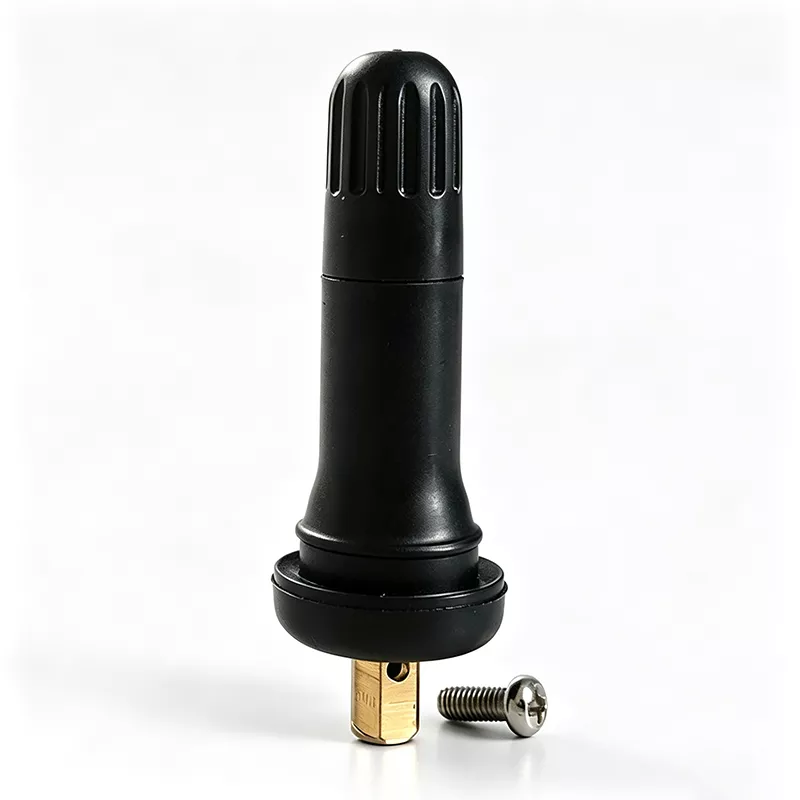
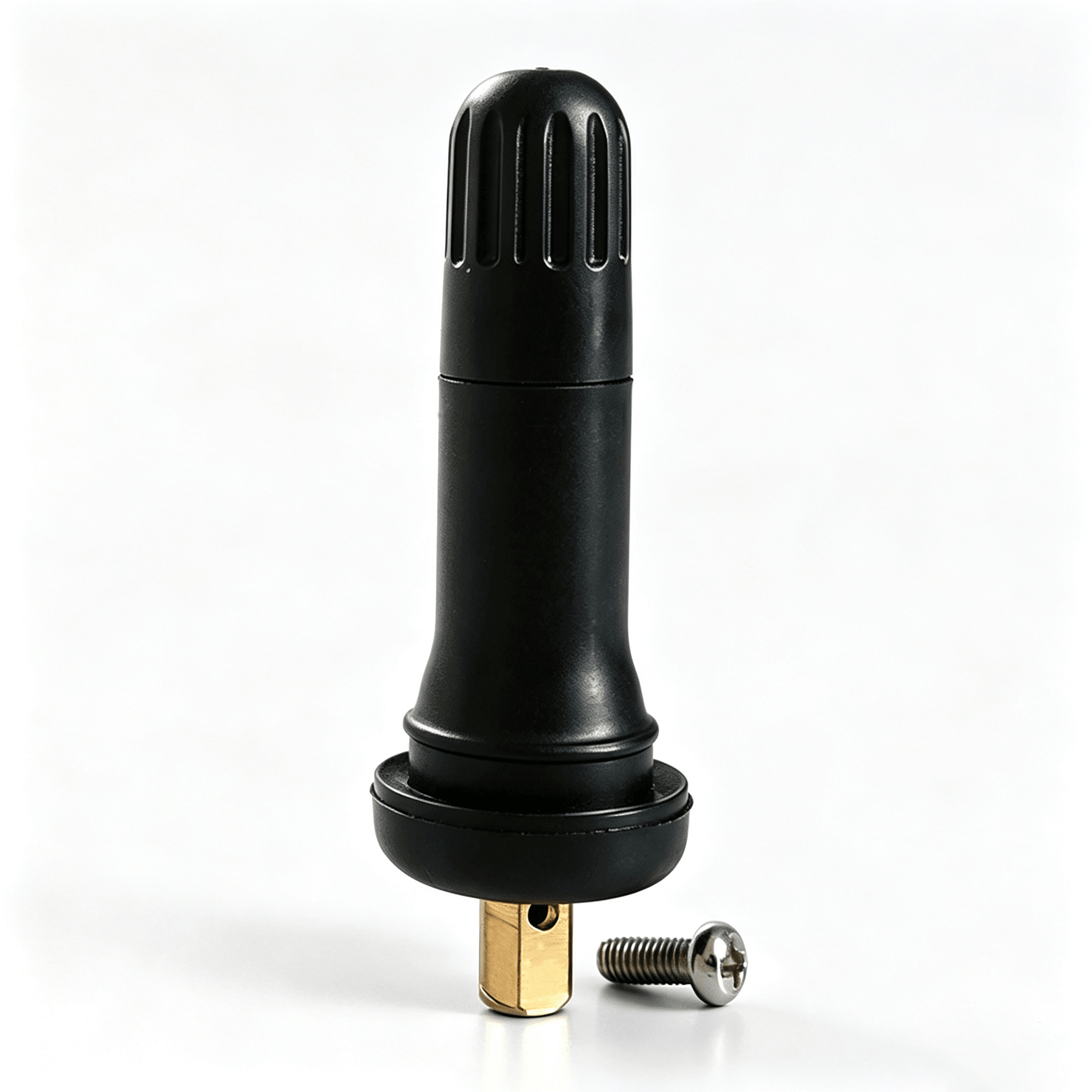
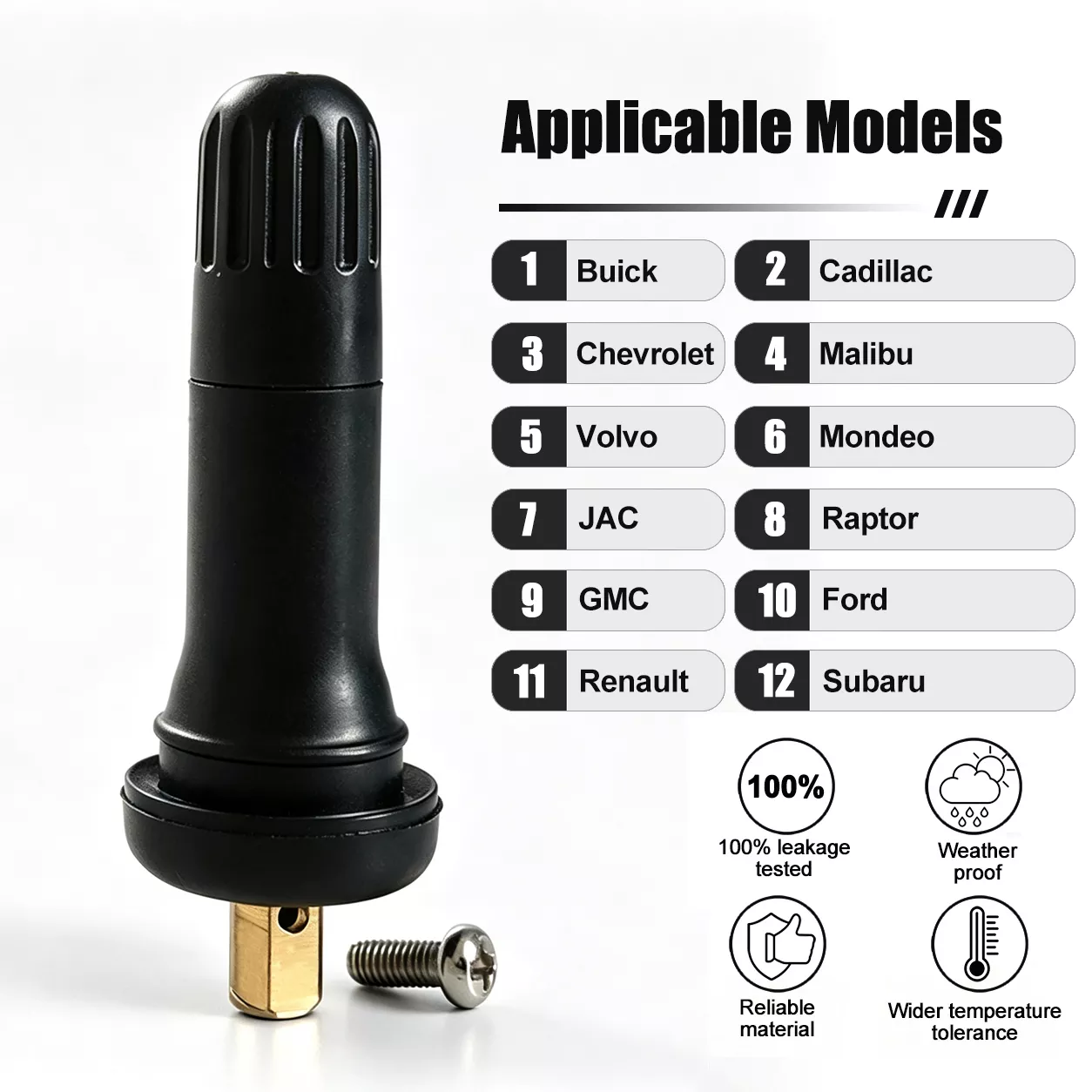
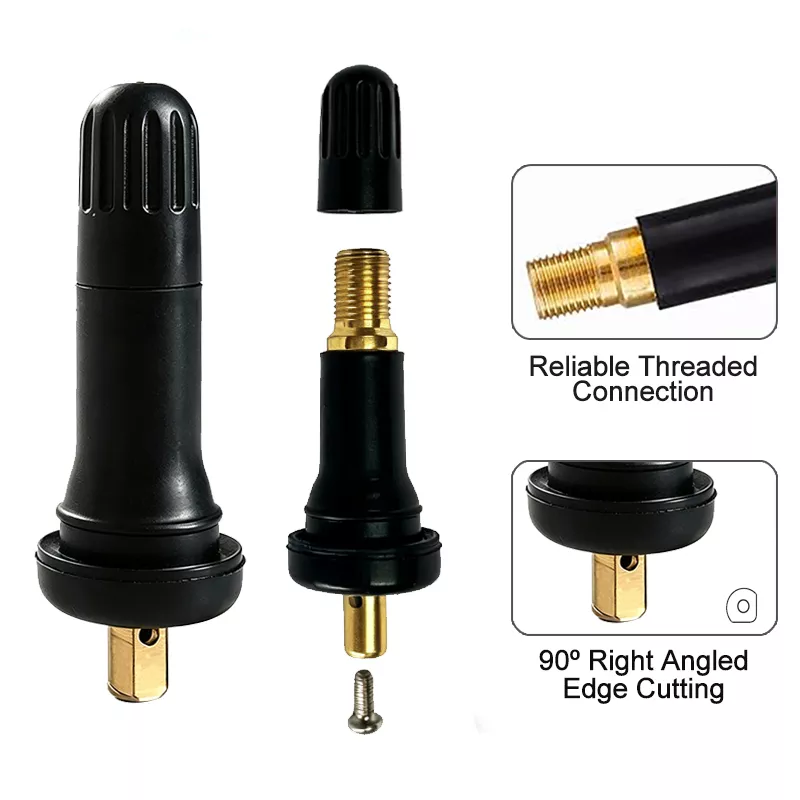
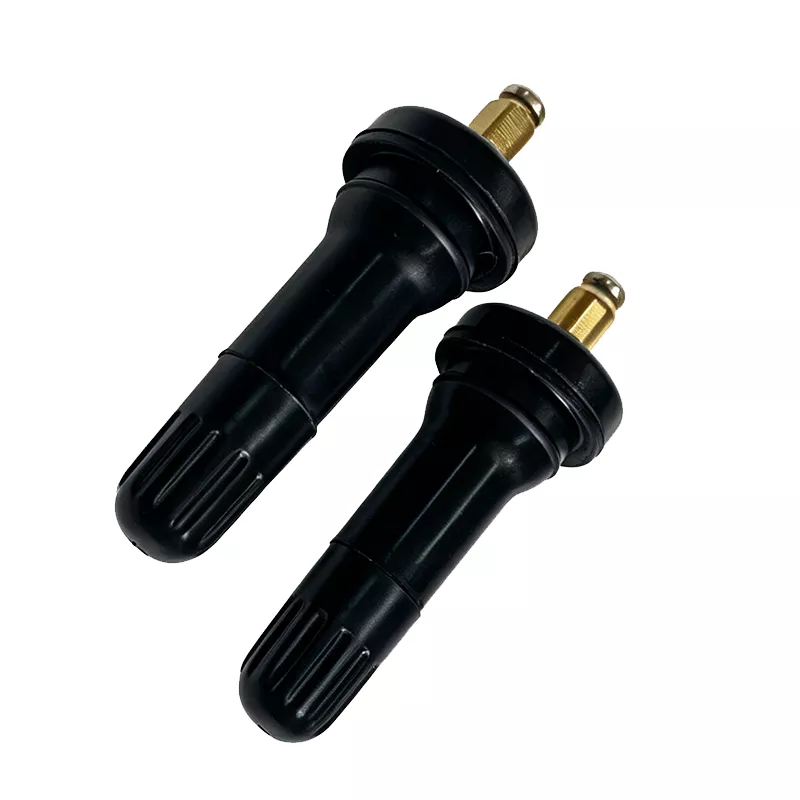
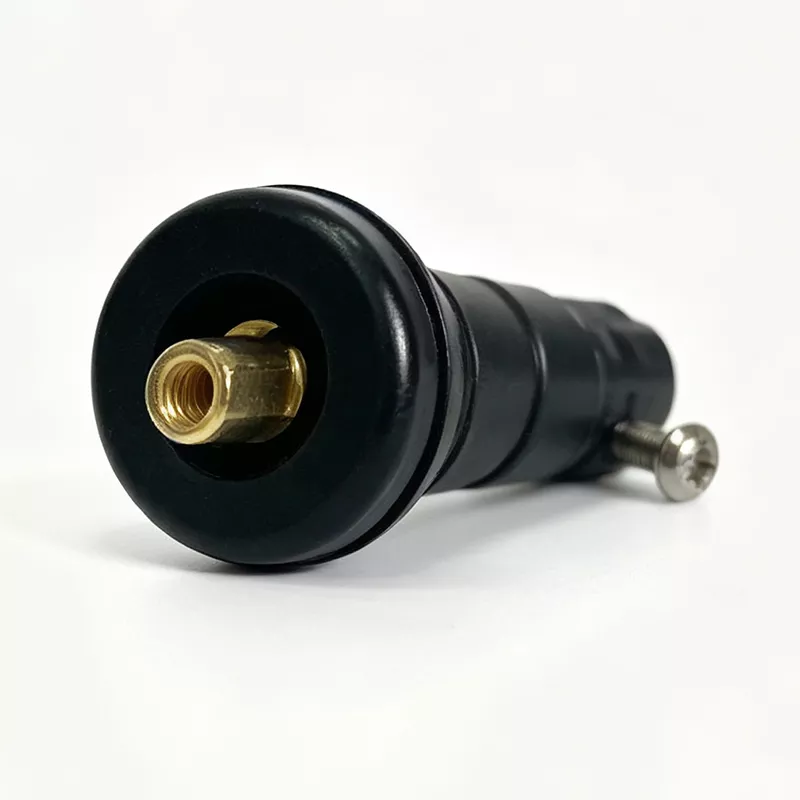
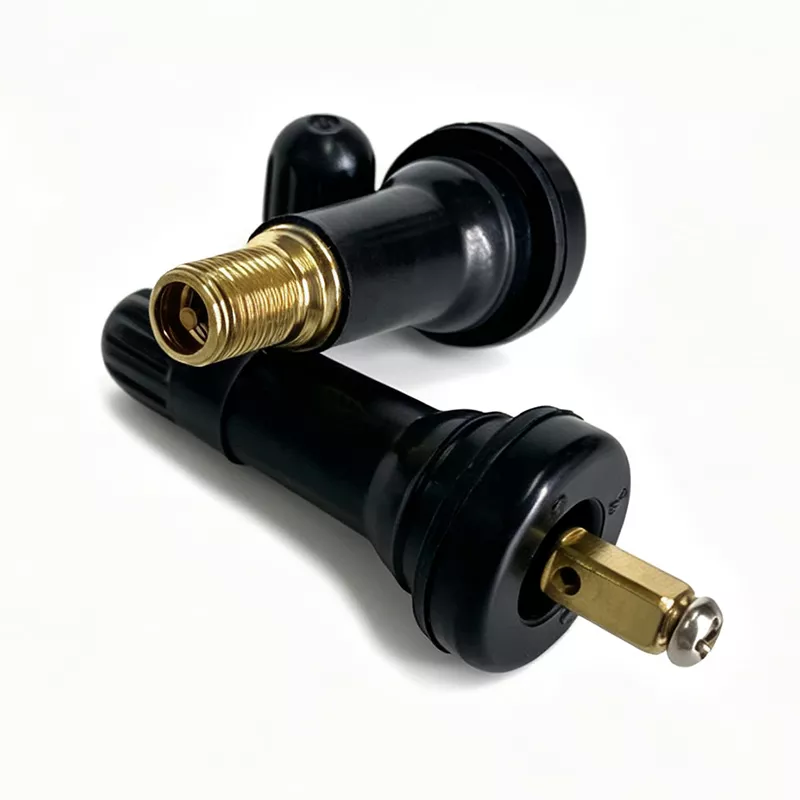
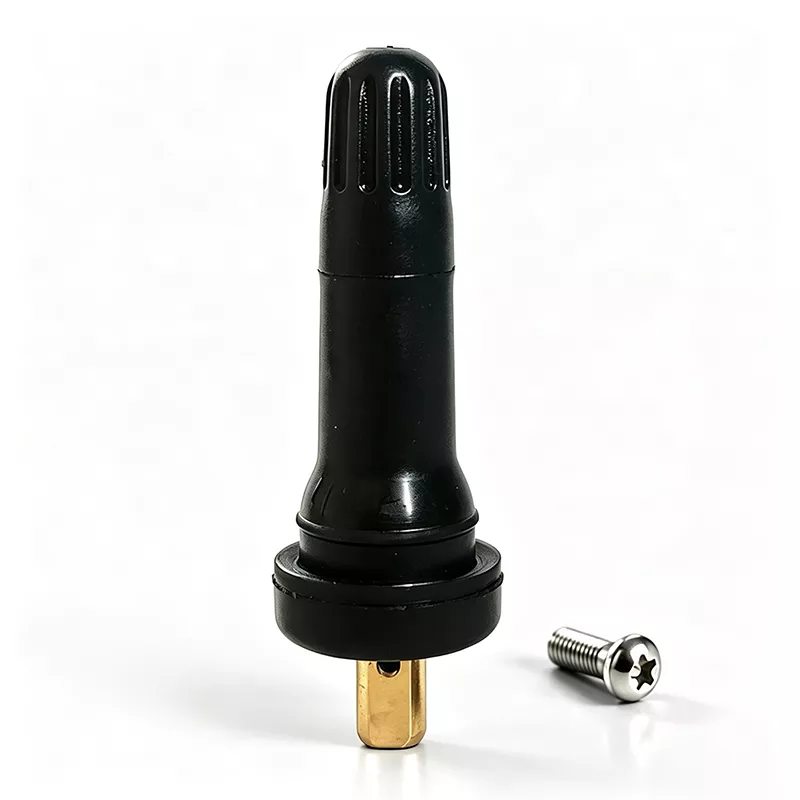
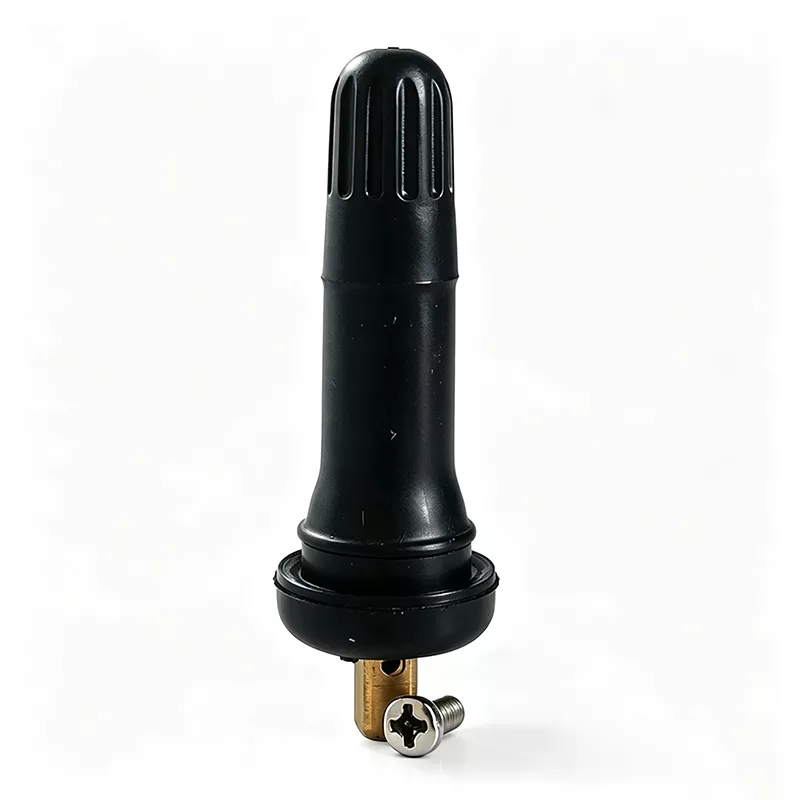
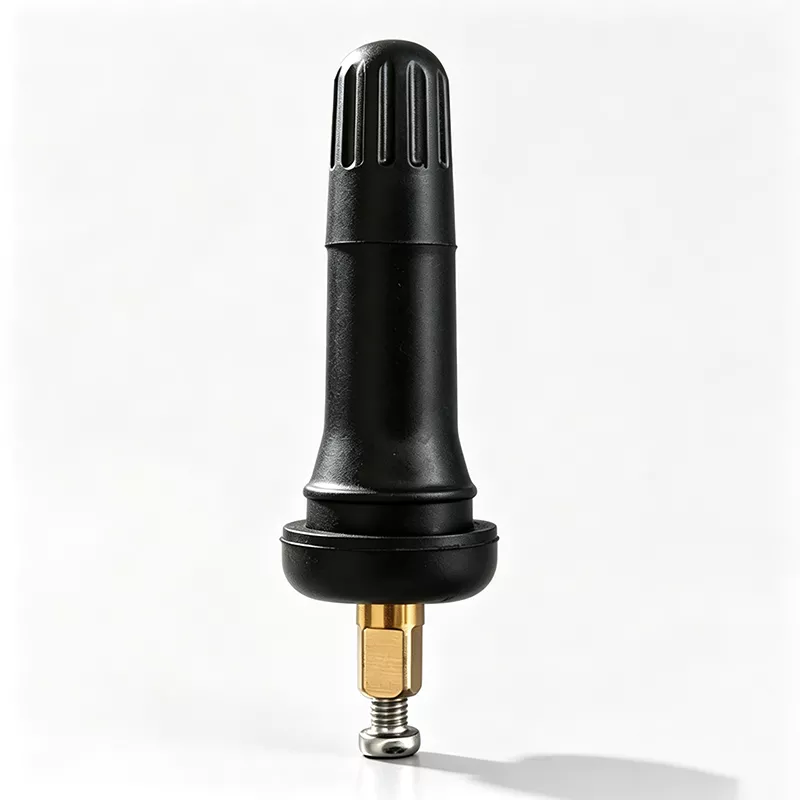
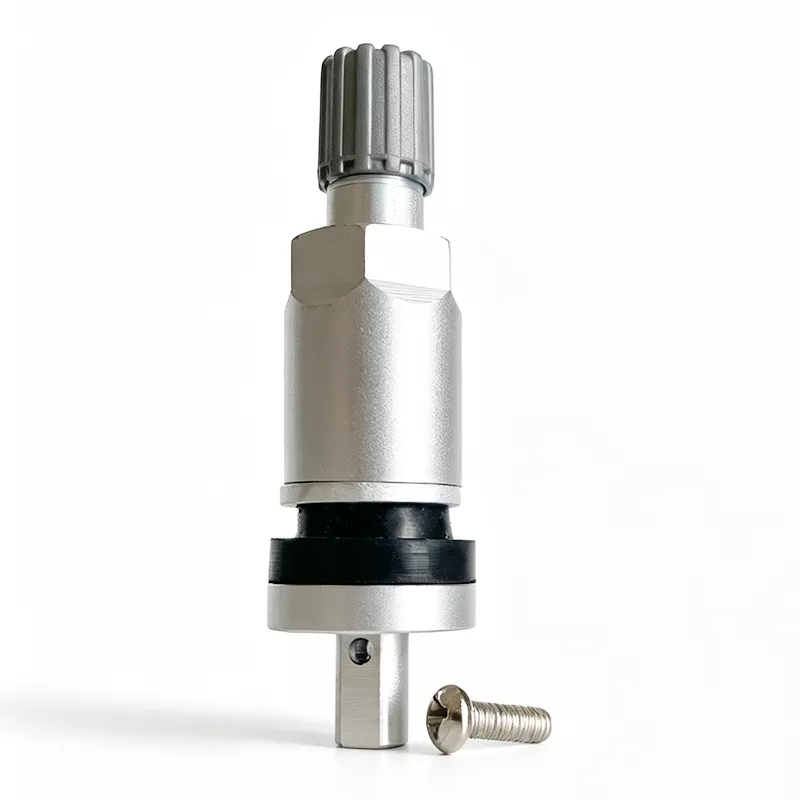
TPMS Valve 02 is a specialized accessory designed specifically for the tire pressure monitoring system (TPMS) of automobiles. It adopts a classic 90 ° right angle bending structure design, matched with standard M3 bottom threads, and accurately adapts to multiple mainstream tire pressure sensors in Europe, America, and China. The product strictly follows the original production process standards, taking into account sealing, stability, and adaptability. It can perfectly replace the damaged, aged, and leaking tire pressure sensor valve of the original vehicle, solve common faults such as tire pressure monitoring alarm, slow tire leakage, and loose sensor fixation, and is the preferred accessory for vehicle tire pressure system maintenance, repair, and modification.
Excellent Airtight SealingExcellent airtight sealing to minimize pressure loss.
SuitableSuitable for steel and aluminum wheels with a 0.453" (11.5 mm) valve hole..
CustomizationAvailable in black rubber, chrome sleeve, and customized versions.
AutomobilesCarsTrucksSUVsMotorcyclesTire Repair WorkshopsAuto Service CentersWheel Balancing ApplicationsAutomotive Aftermarket Distribution
Installation precautions
Each replacement must use a brand new sealing gasket, and it is forbidden to reuse the old gasket to cause air leakage.
The M3 thread locking force is moderate to avoid excessive force causing thread slippage or damage to the sensor base.
During installation, keep the 90 ° flat surface parallel to the inner wall of the tire to prevent tilting and rubbing against the tire, which may cause safety hazards.
How to replace the tire valve
01Dismount tire & remove old TPMS valve stem
Deflate the tire fully, break the tire bead, unscrew the TPMS sensor fastener, take off the worn valve stem, clean rust and debris from the rim hole.
02 Install new TPMS valve stem
Insert the new valve through the rim hole, fit the sealing gasket, attach the TPMS sensor to the valve stem and tighten to specified torque for reliable sealing.
03Remount tire, inflate & test air tightness
Reinstall the tire, inflate to recommended pressure. Test for air leaks with soapy water. Complete TPMS sensor relearn if required.
Tip: When replacing the valve, it is necessary to perform dynamic balancing.
Frequently Asked Questions
M3 universal, and will there be a situation where it cannot be installed?
The product adopts standard M3 precision bottom threads, with full and uniform threads and precise specifications, fully matching the TPMS tire pressure sensor installation hole position of the vehicle models on the list, tightly biting without slipping or loosening. As long as it is the compatible vehicle model marked on the page, it can be installed without damage, without worrying about non-compliance with specifications.
My specific model is not on the list of compatible models, can I use it?
Our store's compatible models are mainstream full coverage versions, and the list only displays the core main models. The same model year and configuration can be adapted universally. If your vehicle belongs to the corresponding brands such as Buick, Ford, Volvo, Jianghuai, etc. but does not specify the specific model, you can provide the vehicle year and wheel model for consultation with customer service. After checking the parameters, you can confirm the compatibility.
Do I need to re match the tire pressure sensor after replacement?
No need to match decoding. Only as a replacement for the ventilation nozzle accessory, without modifying the sensor body, it can be used normally after installation and leak detection, and the tire pressure data is displayed normally.
Will there be slow air leakage or poor sealing after replacement?
I won't. The product is made of high sealing material and undergoes rigorous air tightness testing before leaving the factory. It can be installed according to specifications to maintain sealing for a long time and prevent air leakage problems.