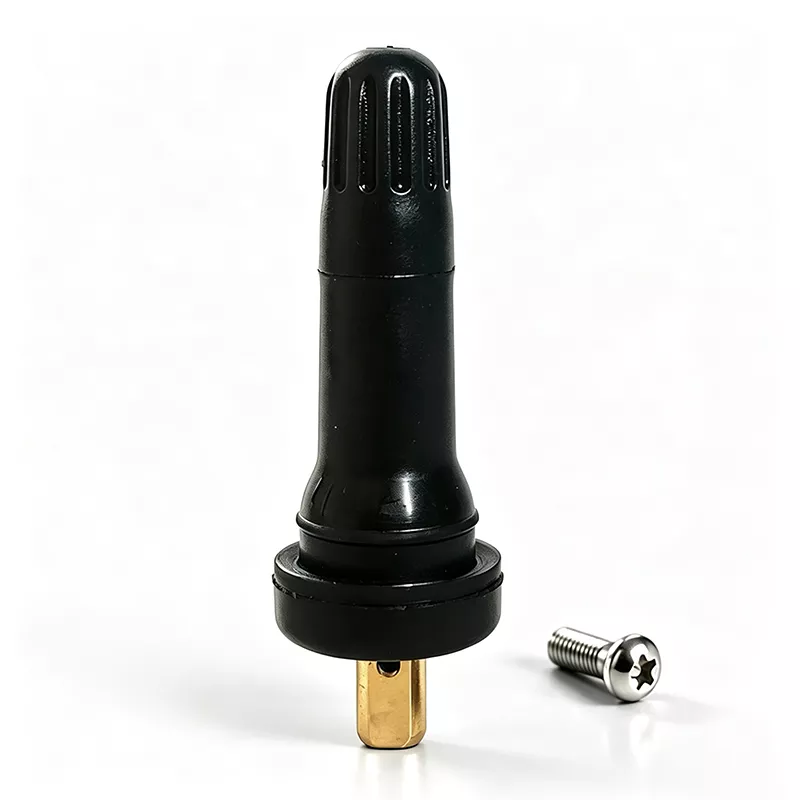
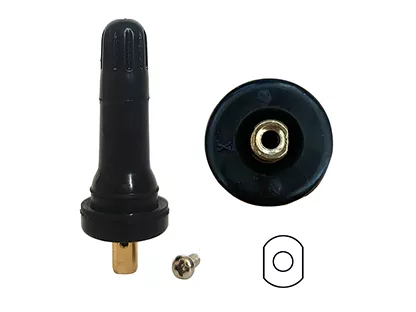
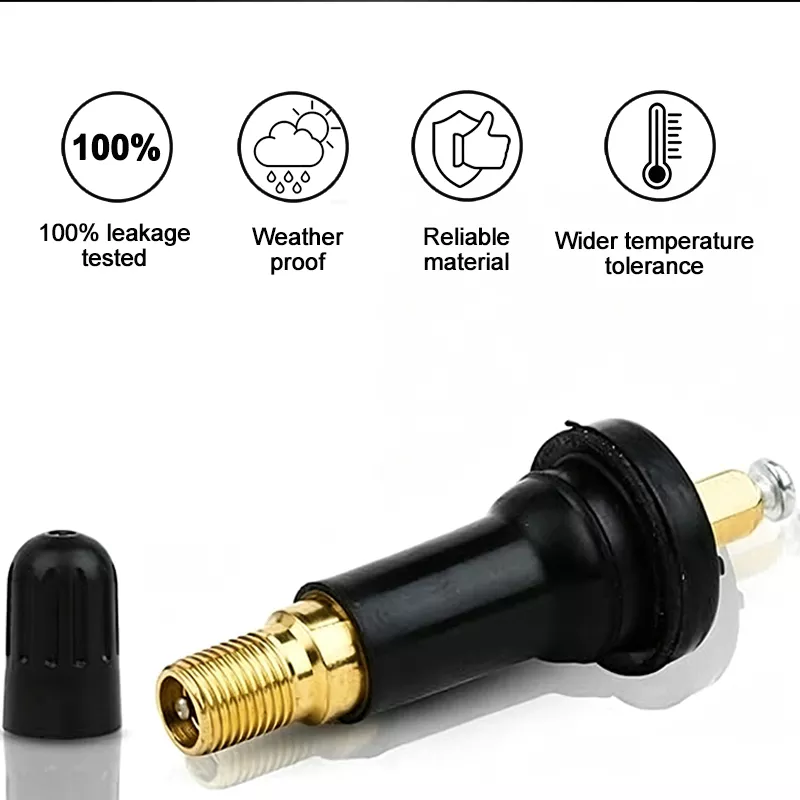
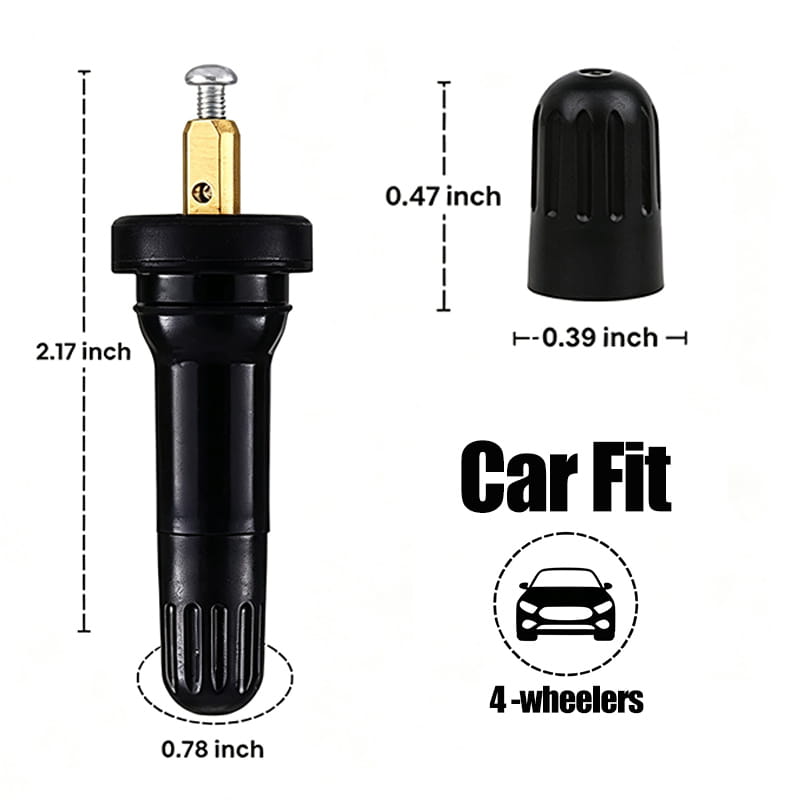
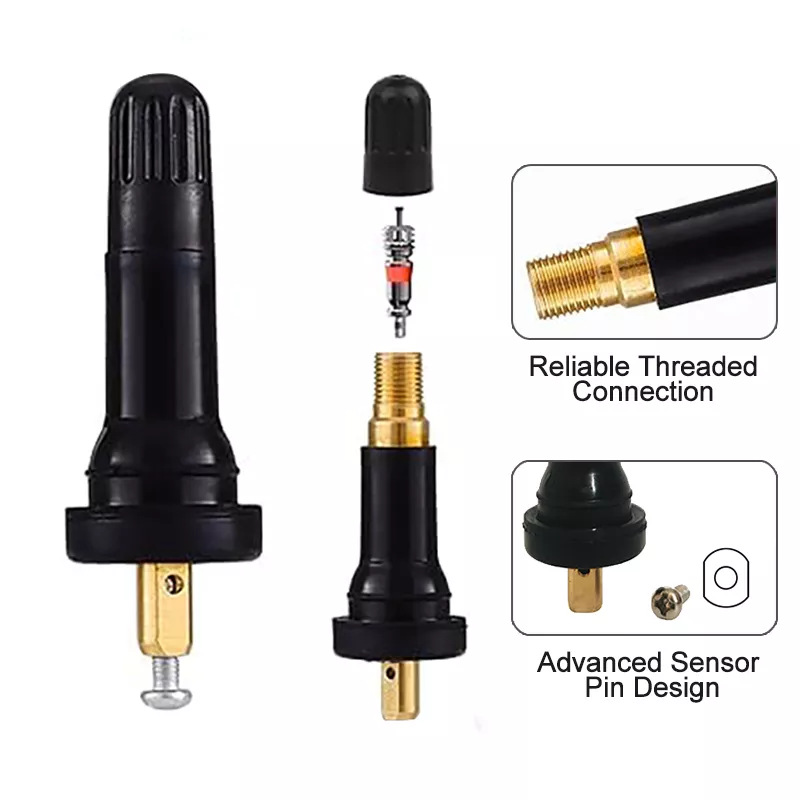
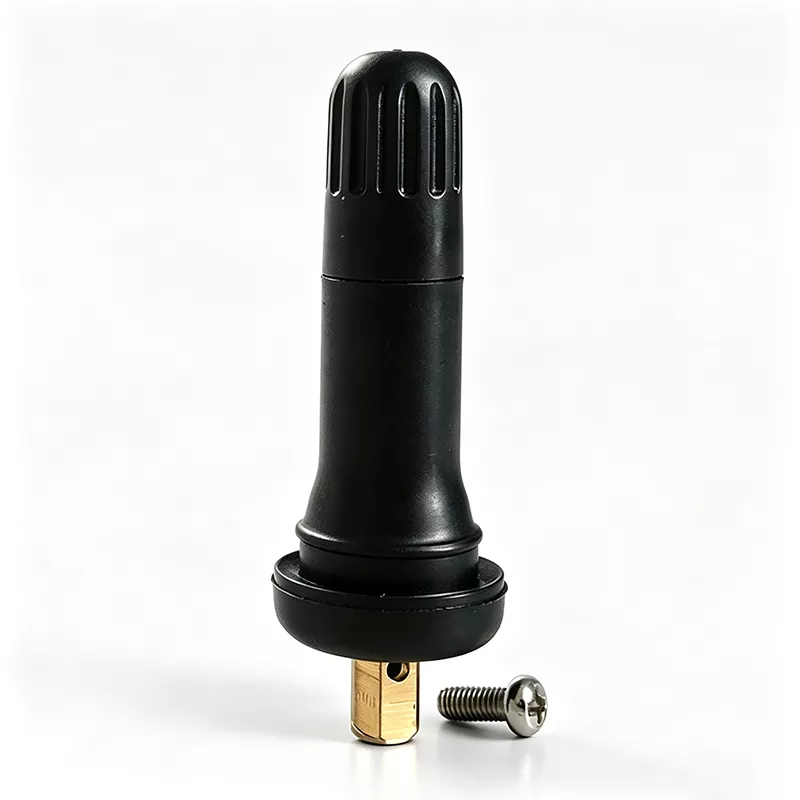
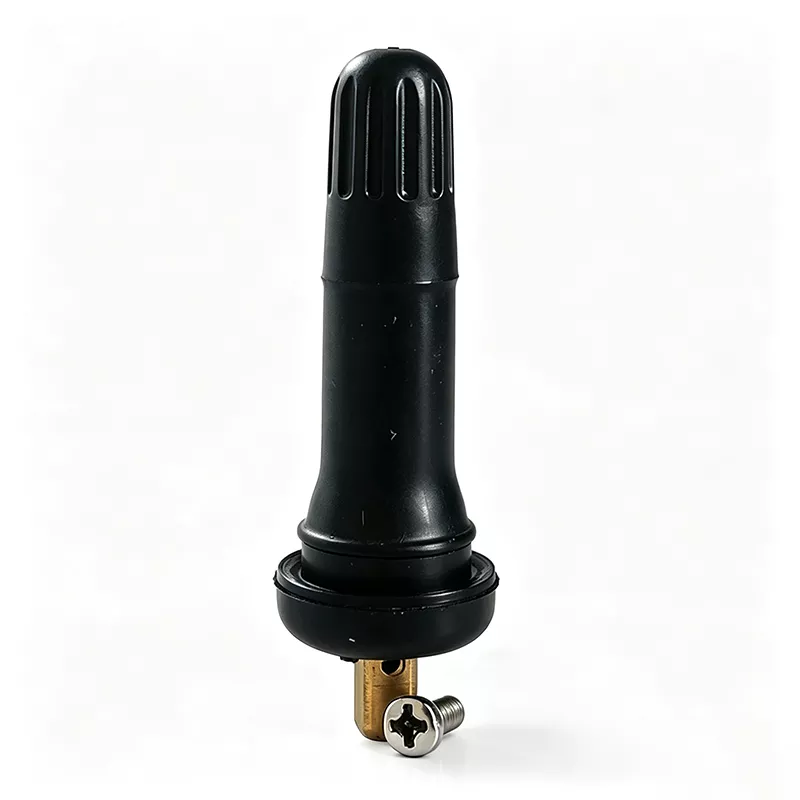
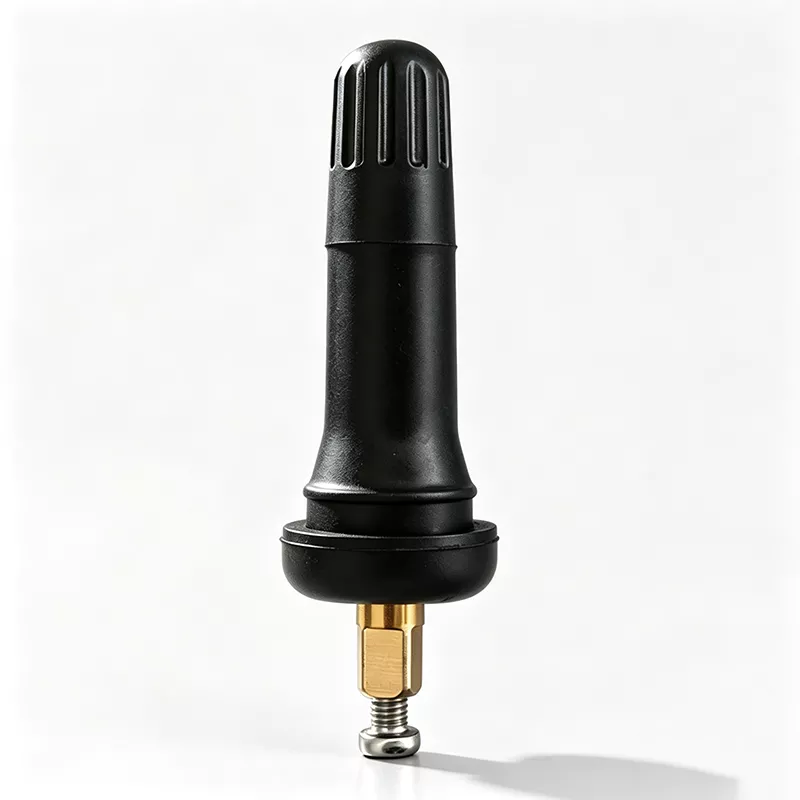
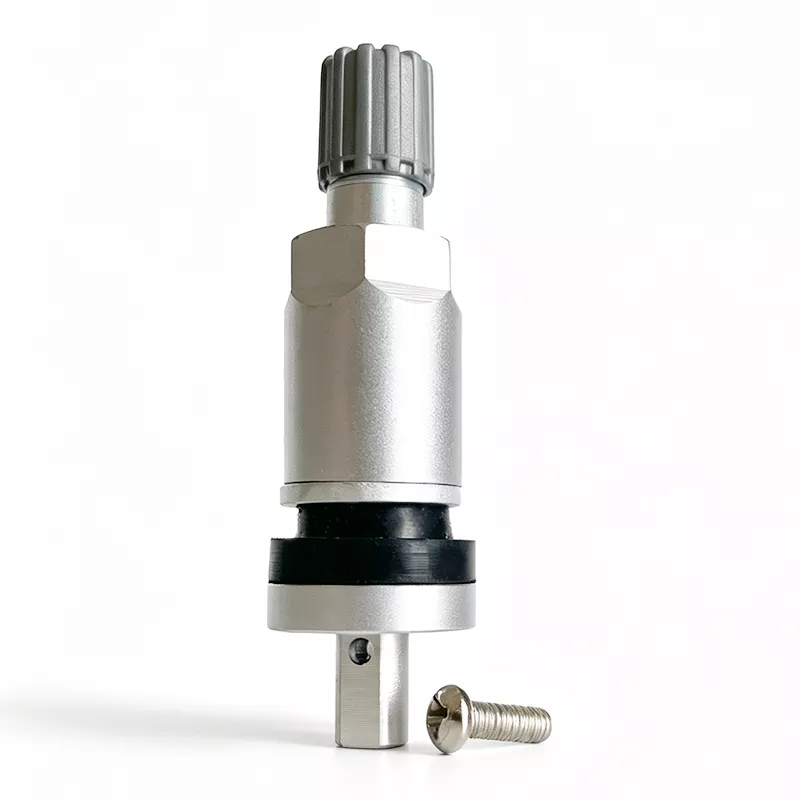
Adopting high-precision 180 ° flat cutting technology, the valve and sensor fit more smoothly, without tilting or rubbing against the tire wall after installation, avoiding friction damage during high-speed driving, ensuring stable sensor signals and consistent dynamic balance.
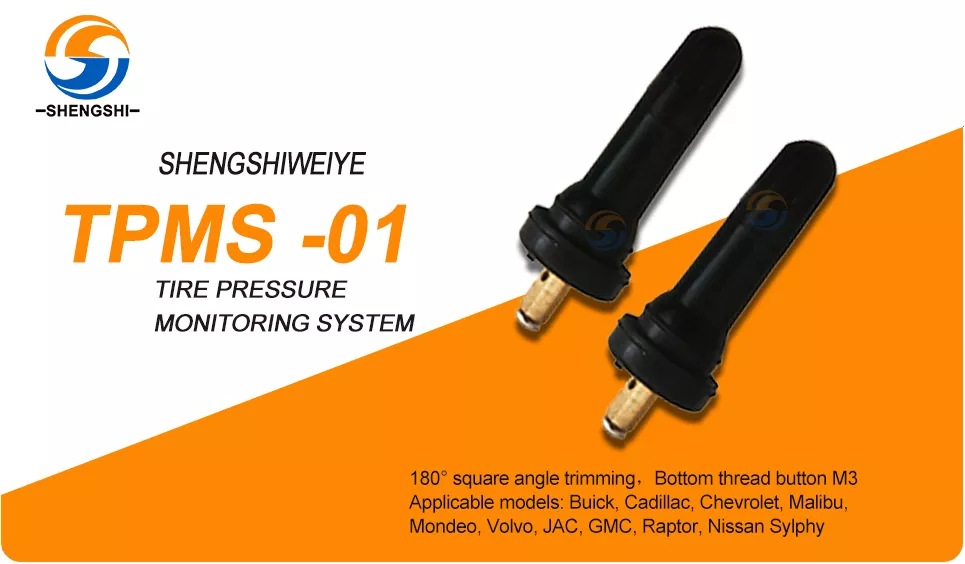
180° square angle trimming
Bottom thread button M3
Tubeless American type, for OEM TPMS sensors
The TPMS Valve 01 tire valve is suitable for
Passenger vehicle tire replacement
Rubber valves degrade after 3 years with cracks. Skipping valve replacement leads to slow leaks and breakage at high speeds.
Tire service centers
New Tire valves fitted with every tire change to stop leaks and high-speed valve damage from aged rubber stems.
Automotive repair workshops
Every tire change equipped with durable TR413 valve stems. Replace tires and valves at once to solve air leakage problems and ensure driving safety.
Suitable for Vehicle Service and Aftermarket Supply
AutomobilesCarsTrucksSUVsMotorcyclesTire Repair WorkshopsAuto Service CentersWheel Balancing ApplicationsAutomotive Aftermarket Distribution
Installation precautions
Each replacement must use a brand new sealing gasket, and it is forbidden to reuse the old gasket to cause air leakage.
The M3 thread locking force is moderate to avoid excessive force causing thread slippage or damage to the sensor base.
During installation, keep the 180 ° flat surface parallel to the inner wall of the tire to prevent tilting and rubbing against the tire, which may cause safety hazards.
How to replace the tire valve
01Dismount tire & remove old TPMS valve stem
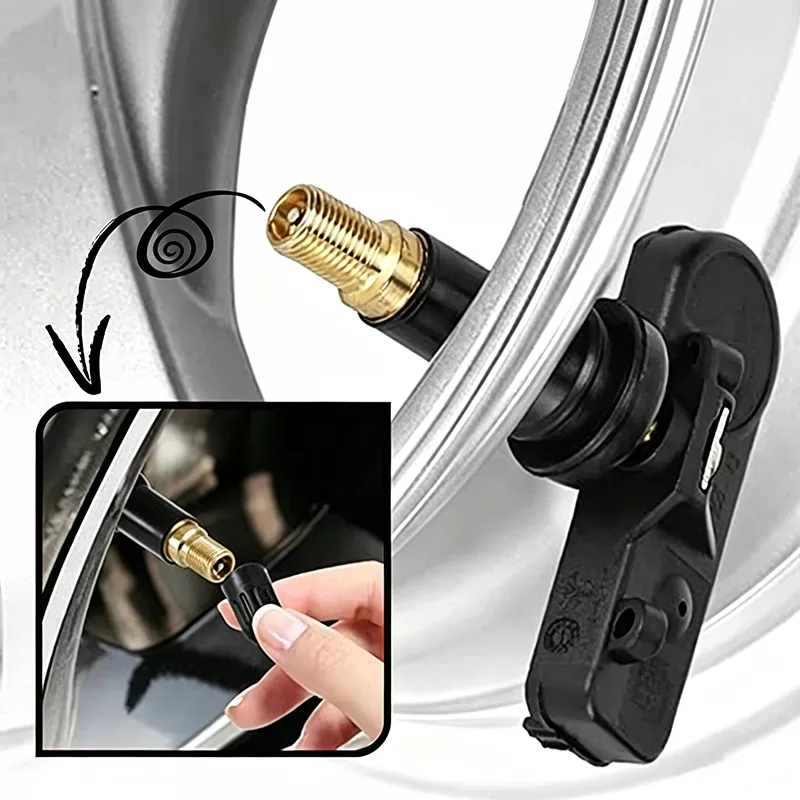
Deflate the tire fully, break the tire bead, unscrew the TPMS sensor fastener, take off the worn valve stem, clean rust and debris from the rim hole.
02Install new TPMS valve stem
Insert the new valve through the rim hole, fit the sealing gasket, attach the TPMS sensor to the valve stem and tighten to specified torque for reliable sealing.
03Remount tire, inflate & test air tightness
Reinstall the tire, inflate to recommended pressure. Test for air leaks with soapy water. Complete TPMS sensor relearn if required.
Tip: When replacing the valve, it is necessary to perform dynamic balancing.
Frequently Asked Questions
Can TPMS valve replace regular rubber tire valve?
No. Ordinary rubber valves have no M3 thread to fix TPMS sensors. TPMS valves are specially structured for tire pressure sensors, they are not interchangeable.
What vehicles fit TPMS Valve 01?
Compatible with Buick, Cadillac, Chevrolet, Malibu, Mondeo, Volvo, JAC, GMC, Raptor, Nissan Sylphy. Fits all TPMS sensors with M3 thread base.
Will the M3 bottom thread slip easily?
Threads are precisely machined. It won’t slip if tightened with proper torque. Excessive force will damage threads and sensor base.
What is the benefit of 180° square angle trimming?
The flat 180° design keeps the valve straight after installation, prevents rubbing against the tire inner wall, stabilizes TPMS signal and wheel balance.