

How to Assess TPMS Sensor PMVC Fit Lexus CT Series GX?
A tpms sensor pmvc fit lexus ct series gx option should be assessed by verified vehicle coverage, valve material, installation workflow, and relearn requirements.
What Product Evidence Can Buyers Verify?
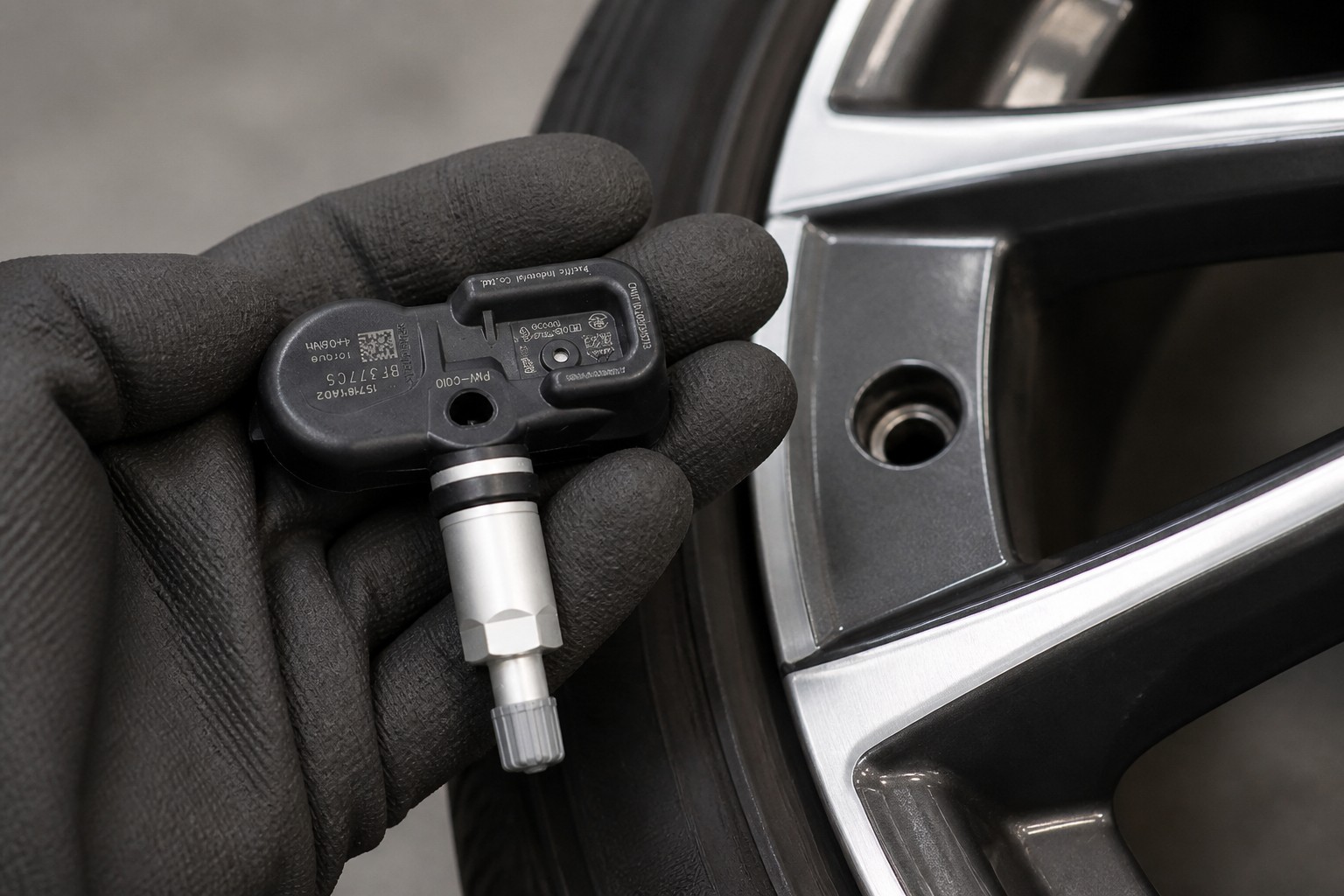
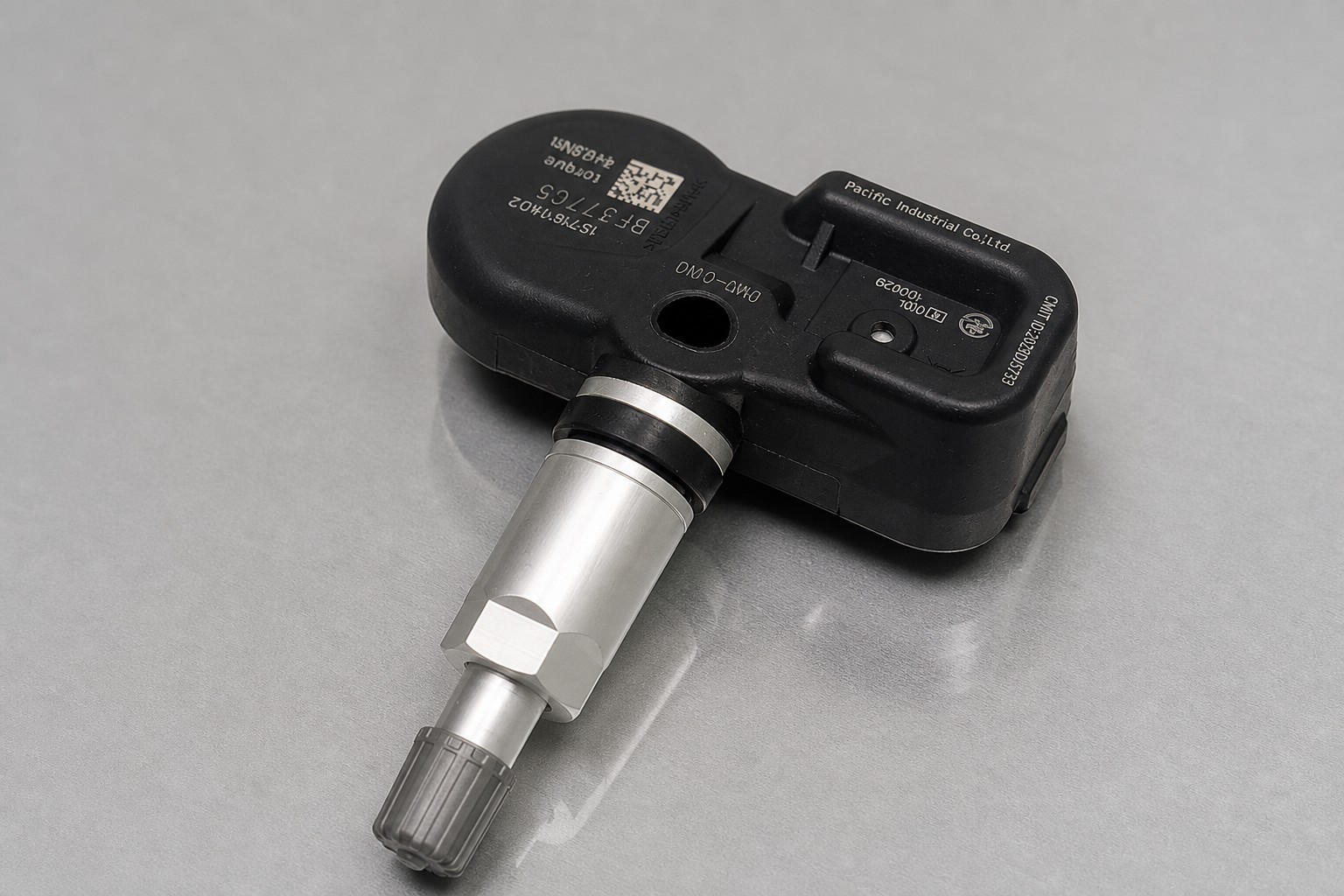
The selected product page provides four consistent facts that can anchor a purchasing review. It identifies the item as a TPMS sensor, gives the item number PMVC010, states aluminum alloy as the material, and lists Lexus CT Series, GX Series, and LX Series as the application. These fields are repeated in the page's product-specific specification areas, so they are more useful than promotional language that is not consistently supported.
The same page contains conflicting descriptions for frequency and unrelated vehicle brands. Those conflicts should not be converted into catalog claims, purchase specifications, or installation promises. A disciplined buyer can omit uncertain fields and ask for market-specific confirmation before an order. This keeps the evaluation focused on evidence that can be traced to the selected product rather than on assumptions drawn from similar sensors.
Start with a four-field identity check
A practical incoming record should capture product type, item number, material, and stated vehicle-series coverage. The supplier label, carton information, purchase order, and receiving inspection can then use the same four fields. This simple alignment reduces the chance that a similar-looking sensor is accepted under the wrong internal code. It also gives sales and service teams a consistent description without adding unsupported performance figures.
Separate product fit from installation readiness
A series-level application statement is a screening signal, not a universal-fit guarantee. Model year, market, wheel equipment, existing sensor system, and vehicle-specific service information can change what is required. Buyers should therefore use the listed Lexus series to build a candidate set, then verify the exact vehicle before fitting. The result is a controlled selection process that respects the available evidence and leaves unresolved technical details for confirmation.
| Decision factor | Verified evidence | Buyer action |
|---|---|---|
| Product type | TPMS sensor | Match the order and receiving description |
| Item number | PMVC010 | Keep the code consistent across records |
| Material | Aluminum alloy | Include it in visual and specification checks |
| Application | Lexus CT, GX, and LX Series | Verify the exact vehicle configuration |
How Should Vehicle Coverage Be Confirmed?
A tpms sensor pmvc fit lexus ct series gx listing provides a useful family-level filter, but the purchasing decision still needs a vehicle-level check. The evaluator should compare the precise model year, market specification, wheel and valve arrangement, and current system requirements with authoritative service information. When any field remains unclear, the sensor should stay in candidate status rather than being described as confirmed fit.
Treat series names as a starting boundary
CT, GX, and LX identify different vehicle families with multiple production years and regional configurations. A distributor can map customer demand by series while keeping a second field for the exact vehicle record. That structure supports useful catalog navigation without collapsing every version into one promise. It also lets a service counter document why a particular unit was selected for a particular vehicle.
Confirm system and relearn requirements before work
The installation plan should identify how the vehicle recognizes a replacement sensor and what approved equipment or procedure is required. The product evidence does not establish one universal relearn method, so the technician should consult the correct service information. Procurement teams can ask suppliers to clarify market-specific compatibility and documentation, while workshops can record the verified procedure on the job card before tire removal begins.
- Identify the vehicle: record model, production year, market, and current wheel equipment.
- Compare the candidate: match the verified product fields without assuming an unlisted specification.
- Confirm the procedure: obtain the correct installation and registration information before service.
- Document the result: keep the fitted item number and completed checks with the service record.
Build a Controlled Installation Workflow
Professional tpms service links electronics, tire handling, valve condition, and wheel procedures. Before work, the technician should inspect the wheel and existing assembly, confirm that the replacement candidate is correct, and prepare the approved sealing components and tools. During installation, the sensor and valve must be protected from impact and incorrect positioning. The exact torque and relearn steps must come from appropriate product and vehicle service information rather than from a generic assumption.
Plan the wheel and valve work together
A TPMS sensor is part of a wheel-and-tire assembly, so access often overlaps with tire service. The work area should protect the sensor during demounting and mounting, and the valve opening should be inspected before the new assembly is secured. Industry service guidance also supports replacing appropriate valve-service components when a sensor is disassembled. The technician should use the correct kit and limits for the actual assembly instead of treating every valve design as interchangeable.
Finish with balance, registration, and checks
After reassembly, wheel balancing can address changes in the completed tire-and-wheel assembly before it returns to service. The sensor must then be registered or relearned through the verified vehicle-specific process, and the result should be checked for correct system response. A final inspection can cover valve sealing, visible clearance, inflation to the vehicle maker's recommended cold pressure, and warning-lamp status.
- Verify: confirm the candidate product and exact vehicle before tire removal.
- Inspect: assess the wheel, valve opening, existing sensor, and required service components.
- Install: follow approved handling, positioning, sealing, and tightening information.
- Complete: balance as needed, perform the correct relearn, inflate, and verify the system.
Place Monitoring Within Routine Tire Care
A monitoring system supports driver awareness, but it does not replace regular tire inspection or pressure checks. NHTSA explains that direct systems use sensors at the tires and that a warning indicates significant underinflation. It also advises monthly cold-pressure checks using the vehicle placard or owner's manual. This distinction helps a passenger vehicle service program explain the sensor's role without promising that electronics alone maintain tire condition.
When a tpms sensor pmvc fit lexus ct series gx candidate reaches final evaluation, buyers should consider the whole operating process: correct selection, controlled installation, vehicle-specific registration, pressure verification, and continued maintenance. The product supplies one component within that process. Clear operating boundaries make training, catalog descriptions, and customer communication more reliable.
Plan Procurement and Aftermarket Supply
For tire shop and workshop supply, a useful procurement file connects the PMVC010 item number with verified application wording, material, inspection criteria, packaging needs, and a process for resolving fit questions. Distributors can keep uncertain fields outside the published specification until written confirmation is available. This approach supports consistent receiving, inventory, quotation, and service-counter decisions across multiple teams.
The product-specific use cases support private-label or OEM/ODM discussions. A buyer can ask about branding, carton presentation, assortment, documentation, and market-specific labeling while keeping technical claims tied to confirmed evidence. Samples or pre-production units can be checked against the agreed four-field identity before broader rollout. Commercial terms, quantities, and timelines should be established through a direct inquiry rather than inferred from the product page.
Frequently Asked Questions
What facts are verified for PMVC010?
The consistent product-specific fields identify a TPMS sensor with item number PMVC010, aluminum alloy material, and stated application for Lexus CT Series, GX Series, and LX Series. Other technical fields should be confirmed when the page contains inconsistent descriptions.
Does the series list prove fit for every vehicle?
No. A series name is a useful initial filter, but exact compatibility can depend on model year, market, installed equipment, and vehicle-specific system requirements. Confirm the individual vehicle and the approved service procedure before installation.
Should tire pressure still be checked manually?
Yes. NHTSA and tire-industry guidance state that TPMS does not replace regular pressure checks. Use an accurate gauge when tires are cold and follow the vehicle maker's placard or owner's manual for the recommended pressure.
What should a workshop verify after installation?
The completed job can include a sealing and clearance inspection, correct cold inflation, any required balancing, the verified registration or relearn process, and confirmation that the vehicle system responds as expected. Exact steps must follow the relevant service information.
Can distributors discuss private-label programs?
Yes. The product evidence supports private-label or OEM/ODM supply as a use case. Buyers can discuss branding, packaging, assortment, and documentation requirements while confirming technical and market-specific details separately.
Review the PMVC010 Supply Requirements
Use the verified PMVC010 product page as the starting record, then confirm the exact vehicle, service procedure, assortment, packaging, and branding requirements for the intended market.