
Wheel Weights for Aluminum Wheels: Why Choosing the Right Type Matters for Modern Wheel Balancing
Wheel Weights for Aluminum Wheels Are Becoming More Important in the Automotive Aftermarket
As aluminum alloy wheels become increasingly common on passenger cars, SUVs and light trucks, the demand for suitable wheel weights for aluminum wheels continues to grow. Compared with traditional steel wheels, aluminum wheels have different rim profiles, surface finishes and appearance requirements. This means wheel balancing professionals need to pay closer attention to the type of wheel weight being installed.
For tire shops, distributors and automotive service centers, selecting the correct wheel weights is not simply about adding the required grams. The right product should provide reliable balancing performance while helping protect the wheel surface and maintaining the original appearance of the rim.
Why Aluminum Wheels Need Special Consideration
Aluminum wheels are popular because they are lightweight, corrosion-resistant and visually attractive. However, their design also creates new requirements during wheel balancing.
Many aluminum wheels feature painted, polished, machined or coated surfaces. Using an unsuitable clip-on weight may damage the rim edge or leave visible marks after removal. In addition, modern alloy wheels are available in many different rim profiles, making proper fitment an important factor.
This is why workshops increasingly choose wheel weights specifically designed or selected for use on aluminum wheels.
The main factors customers usually consider include:
- Compatibility with different aluminum wheel profiles
- Secure attachment during normal vehicle operation
- Reduced risk of scratching or damaging the rim
- Clean and professional appearance
- Accurate weight increments for precise balancing
- Corrosion resistance
- Compliance with environmental requirements in different markets
Adhesive Wheel Weights for Aluminum Wheels
For many modern alloy wheels, adhesive wheel weights are one of the most popular balancing solutions.
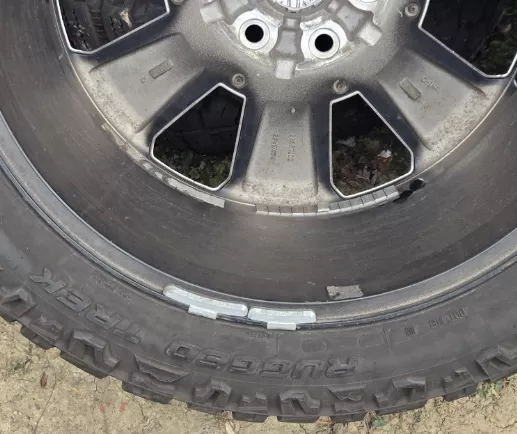
Adhesive weights are installed on the inner surface of the wheel using automotive-grade tape. Because they do not require a metal clip to grip the rim flange, they are particularly suitable for wheels where appearance protection is important.
Common materials include steel and zinc, with different surface treatments available depending on customer requirements.
Key Benefits of Adhesive Wheel Weights
Cleaner appearance
The weight can be hidden behind the wheel spokes, helping preserve the original exterior appearance of the aluminum wheel.
No direct clipping on the rim flange
This reduces the possibility of marks or scratches caused by incorrect clip installation.
Suitable for modern wheel designs
Many aluminum wheels have limited space or complex spoke structures, making adhesive solutions easier to position.
Flexible weight configurations
Wheel weights are available in different segment sizes and roll or strip formats to meet the requirements of professional wheel balancing equipment.
For premium alloy wheels, black-coated, grey-coated or galvanized adhesive wheel weights can also be selected to better match the wheel's internal appearance.
Are Clip-On Wheel Weights Suitable for Aluminum Wheels?
The answer depends on the wheel design and the type of clip-on weight.
Not all clip-on wheel weights are designed for aluminum wheels. However, specific wheel weight styles are manufactured for particular aluminum wheel profiles. Professional installers should always match the clip design to the rim flange rather than selecting a weight based only on the vehicle brand.
Different wheel profiles may require different styles of clip-on weights, such as AW, MC, FN, EN or other regional designs.
The most important consideration is proper fitment. A weight that does not match the rim profile may fail to hold securely or could damage the wheel during installation.
Before purchasing wheel weights for aluminum wheels, buyers should confirm:
- The wheel material
- The rim flange profile
- The vehicle or wheel application
- The required weight range
- The preferred material
- Local environmental regulations
- Whether adhesive or clip-on installation is preferred
Steel or Zinc: Which Wheel Weight Material Is Better?
Steel and zinc wheel weights are widely used alternatives in the automotive aftermarket. The best choice depends on the target market, application and customer requirements.
Steel Wheel Weights
Steel wheel weights offer high strength and are widely used in both adhesive and clip-on applications. Surface treatments such as powder coating, galvanizing or painting can improve corrosion resistance.
For distributors, steel wheel weights can provide a practical solution for high-volume markets because they are available in many common specifications.
Zinc Wheel Weights
Zinc wheel weights are another option for customers looking for lead-free wheel balancing products. They are used in different regional markets and can be produced in a variety of clip-on styles.
When selecting between steel and zinc, importers should consider local regulations, customer preferences and the specific wheel balancing application.
What Makes a Good Wheel Weight for Aluminum Wheels?
For professional users, quality is not determined by weight alone. A reliable wheel weight should meet several requirements.
Accurate Weight Control
Each segment should be produced with consistent weight accuracy to support precise wheel balancing.
Secure Attachment
For adhesive products, the tape must provide dependable bonding when the wheel surface is properly cleaned before installation. For clip-on products, the clip design should match the correct rim profile.
Good Corrosion Resistance
Wheel weights are exposed to water, road salt, dust and temperature changes. Appropriate surface treatment helps maintain product performance and appearance.
Consistent Dimensions
For manufacturers and distributors, stable dimensions are important because different weight sizes must fit properly into wheel balancing and installation processes.
Reliable Packaging
Wheel weights are often sold to wholesalers, tire shops and service centers in large quantities. Strong packaging helps reduce product damage during transportation and improves inventory handling.
How Should Tire Shops Choose Wheel Weights for Aluminum Wheels?
Tire shops should avoid using a single wheel weight type for every vehicle. The growing variety of aluminum wheel designs means workshops benefit from keeping several suitable options in stock.
A practical product range may include:
- Adhesive wheel weights for concealed installation
- Steel adhesive wheel weights in different segment sizes
- Zinc adhesive wheel weights for specific markets
- Aluminum-wheel-compatible clip-on wheel weights
- Multiple clip styles for different rim profiles
- Black, grey or galvanized surface finishes
- Professional installation and removal tools
By selecting products based on wheel profile and application, service centers can improve installation efficiency and reduce the risk of customer complaints related to wheel damage or poor balancing results.
Wheel Weights for Aluminum Wheels: A Growing Opportunity for Distributors
The continued growth of alloy wheel applications creates long-term demand in the global automotive aftermarket.
For wheel weight distributors, product selection is becoming more specialized. Customers increasingly ask not only for standard wheel weights but also for solutions matched to aluminum wheels, regional regulations and specific vehicle applications.
Wholesale buyers may also look for:
- OEM and private label services
- Customized packaging
- Multiple material options
- Consistent production batches
- International shipping support
- Product specifications for different regional markets
- Stable supply capacity
Suppliers that can offer a complete range of wheel weights for aluminum wheels may be better positioned to serve tire distributors, automotive parts importers and professional wheel service businesses.
Final Thoughts
Choosing the right wheel weights for aluminum wheels is an important part of professional wheel balancing. The correct solution depends on the wheel profile, installation method, material requirements and local market standards.
Adhesive wheel weights are widely used when a clean appearance and rim surface protection are priorities, while properly matched clip-on wheel weights remain an effective solution for compatible aluminum wheel profiles.
For distributors and automotive service professionals, the best approach is to select wheel weights based on actual wheel fitment rather than using a one-size-fits-all product. With more vehicles using aluminum alloy wheels, demand for accurate, reliable and application-specific wheel balancing solutions is expected to remain an important part of the automotive aftermarket.
Frequently Asked Questions About Wheel Weights for Aluminum Wheels
Can I use regular wheel weights on aluminum wheels?
It depends on the wheel weight type and the rim profile. Adhesive wheel weights are commonly used for aluminum wheels, while clip-on weights should only be used when their clip design is compatible with the specific rim flange.
What type of wheel weight is best for aluminum wheels?
There is no single answer for every wheel. Adhesive wheel weights are often preferred for modern alloy wheels because they can be installed inside the wheel and help maintain the exterior appearance. For some wheel profiles, specially designed clip-on weights may also be suitable.
Do clip-on wheel weights damage aluminum wheels?
An incorrectly selected or improperly installed clip-on weight can potentially mark or damage the rim surface. Using the correct weight style and professional installation procedures helps reduce this risk.
Are steel adhesive wheel weights suitable for aluminum wheels?
Yes. Steel adhesive wheel weights are widely used for aluminum wheels when they are manufactured with suitable corrosion protection and reliable automotive-grade adhesive tape.
How do I choose the correct wheel weights for aluminum wheels?
Check the wheel material, rim profile, available installation space, required balancing weight and local market requirements. For clip-on products, the weight style should always match the rim flange design.