
Stick on Wheel Weights vs Clip on Wheel Weights: Which Is Better?
When it comes to wheel balancing, choosing the right type of wheel weight is essential for achieving a smooth, safe, and comfortable driving experience. The two most commonly used options in the automotive industry are stick on wheel weights and clip on wheel weights.
Both types are designed to correct wheel imbalance by adding precise weight to the wheel assembly. However, they differ in installation method, application range, appearance, and compatibility with modern wheels.
So, which one is better — stick on wheel weights or clip on wheel weights? The answer depends on the type of wheel, vehicle application, and the requirements of the tire service professional.
What Are Stick on Wheel Weights?
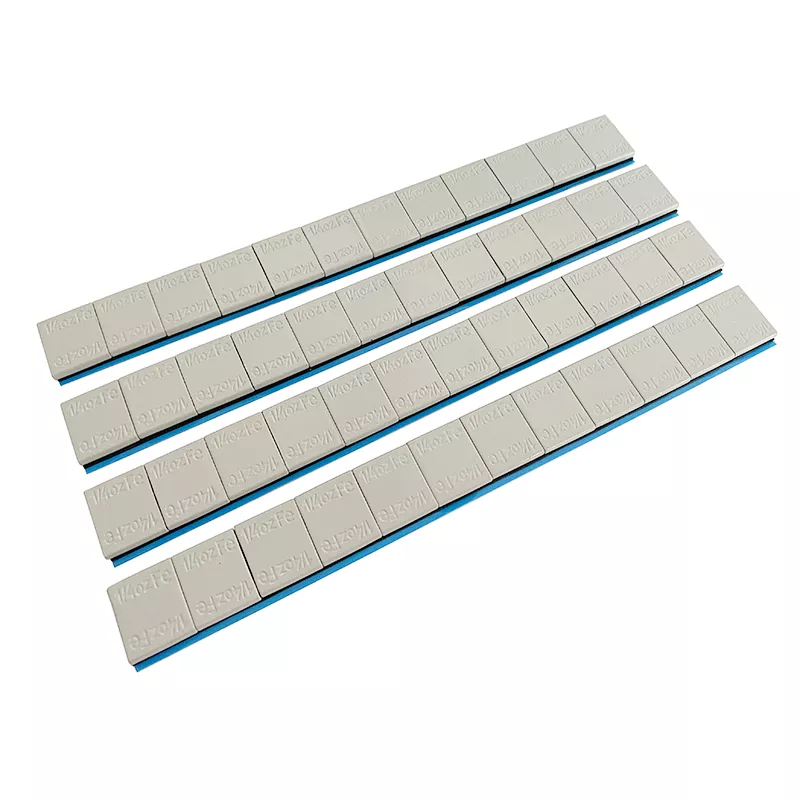
Stick on wheel weights, also called adhesive wheel weights or self-adhesive wheel weights, are balancing weights with a strong adhesive backing tape. They are installed by sticking the weight directly onto the inside surface of the wheel rim.
Unlike traditional clip-on weights, adhesive wheel weights do not require a flange or rim edge for installation, making them suitable for many modern alloy wheels.
Common materials include:
- Iron adhesive wheel weights
- Zinc adhesive wheel weights
- Lead adhesive wheel weights (mainly used in some markets)
Stick on wheel weights are widely used for passenger cars, luxury vehicles, and alloy wheels where appearance and wheel protection are important.
What Are Clip on Wheel Weights?
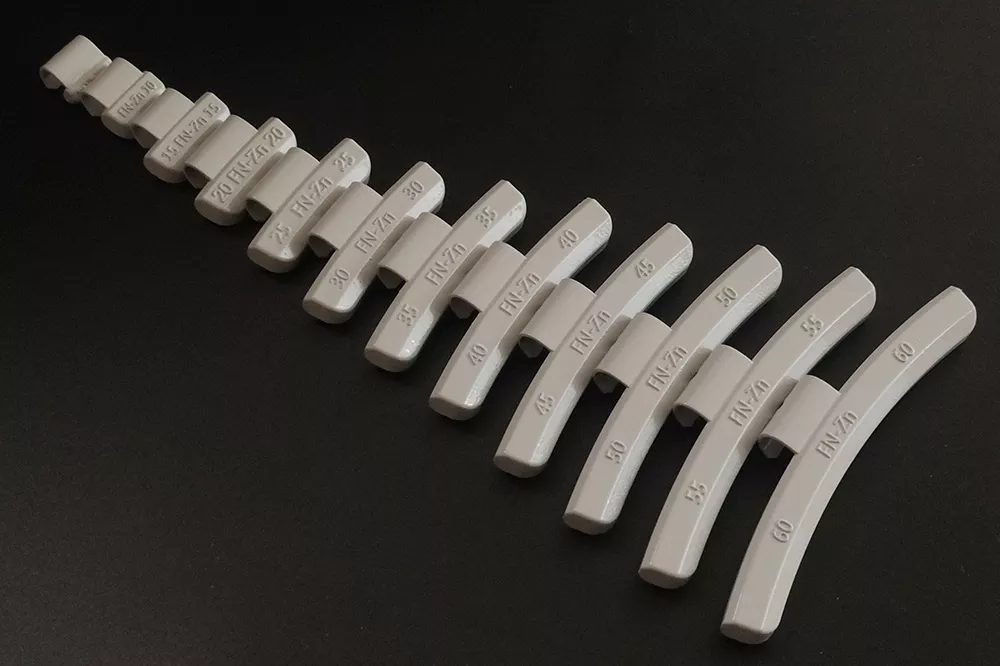
Clip on wheel weights, also known as hammer-on wheel weights, are traditional balancing weights that attach to the wheel rim using a metal clip.
During installation, technicians use wheel weight pliers to firmly secure the clip onto the rim flange. Different clip designs are available for various wheel applications, including:
- P Style wheel weights for steel wheels
- FN Style wheel weights for European vehicles
- EN Style wheel weights for alloy wheels
- AW Style wheel weights for American vehicles
- MC Style wheel weights for aluminum alloy wheels
Clip on wheel weights have been used in automotive repair shops for decades because of their reliable installation and wide vehicle coverage.
Stick on Wheel Weights vs Clip on Wheel Weights: Key Differences
1. Installation Method
The biggest difference between adhesive and clip-on wheel weights is how they are installed.
Stick on wheel weights:
- Clean the wheel surface
- Remove the protective film
- Apply the weight to the correct position
- Press firmly to ensure adhesion
Clip on wheel weights:
- Select the correct clip style
- Position the weight on the rim flange
- Use wheel weight pliers to secure it
Adhesive wheel weights require a clean bonding surface, while clip-on weights rely on mechanical attachment.
2. Wheel Compatibility
Different wheels require different balancing solutions.
Stick On Wheel Weights Applications
Adhesive wheel weights are commonly used on:
- Aluminum alloy wheels
- Sport wheels
- Luxury vehicle wheels
- Custom wheels
- Wheels with limited rim flange space
Because they attach behind the spokes or inside the rim, they provide a cleaner appearance.
Clip On Wheel Weights Applications
Clip-on wheel weights are commonly used on:
- Steel wheels
- Commercial vehicles
- Trucks
- Older vehicle models
- OEM applications requiring rim flange mounting
For steel wheels, clip-on weights remain one of the most practical balancing solutions.
3. Appearance and Wheel Protection
Modern vehicle owners often care about wheel appearance, especially with alloy wheels.
Stick on wheel weights offer advantages such as:
- Hidden installation behind wheel spokes
- No visible clips on the rim edge
- Better appearance for aftermarket wheels
- Reduced risk of scratching painted alloy surfaces
For premium vehicles and customized wheels, adhesive wheel weights are often the preferred choice.
Clip-on wheel weights may leave visible clips on the rim edge, but they provide strong and secure attachment for suitable wheels.
4. Installation Speed and Efficiency
Both types can be installed quickly by professional technicians.
Clip-on weights are convenient when the correct clip type is available, especially in high-volume tire shops.
Adhesive weights are flexible because technicians can cut the required weight from rolls or strips and install them in tight spaces.
For example, wheel weight roll dispensers are commonly used with adhesive wheel weights to improve cutting speed and installation efficiency.
5. Durability and Reliability
A high-quality wheel weight should remain securely attached throughout the vehicle's service life.
The performance depends on:
- Material quality
- Adhesive tape strength
- Correct installation
- Wheel surface preparation
- Environmental conditions
Premium adhesive wheel weights use automotive-grade adhesive tape designed to resist vibration, temperature changes, and moisture.
Clip-on wheel weights provide excellent mechanical holding strength when matched with the correct rim design.
Which One Is Better: Stick On Wheel Weights or Clip On Wheel Weights?
There is no universal winner between stick on wheel weights and clip on wheel weights. The best choice depends on the wheel type and application.
| Comparison | Stick On Wheel Weights | Clip On Wheel Weights |
| Installation | Adhesive backing | Rim clip attachment |
| Best for | Alloy wheels | Steel wheels |
| Appearance | More discreet | More visible |
| Wheel protection | Excellent for painted wheels | Depends on clip design |
| Application range | Modern vehicles, custom wheels | OEM and commercial applications |
| Installation tools | Usually no special tools | Requires wheel weight pliers |
Why Are Stick On Wheel Weights Becoming More Popular?
With the increasing use of aluminum alloy wheels and larger diameter wheels, adhesive wheel weights are becoming more common worldwide.
Main reasons include:
- Better appearance
- Suitable for modern alloy wheel designs
- Easy weight adjustment
- Reduced risk of rim damage
- Flexible installation position
Many automotive manufacturers and tire service centers now use adhesive wheel weights as a standard balancing solution for passenger vehicles.
Why Are Clip On Wheel Weights Still Widely Used?
Although adhesive weights are growing in popularity, clip-on wheel weights remain important because they provide:
- Strong mechanical attachment
- Wide vehicle compatibility
- Easy replacement
- Excellent performance on steel wheels
For trucks, commercial vehicles, and many OEM steel wheel applications, clip-on wheel weights are still the preferred option.
How to Choose the Right Wheel Weight?
Before selecting a wheel weight, consider:
1. Wheel Material
- Steel wheel → Clip on wheel weights are usually recommended
- Aluminum alloy wheel → Stick on wheel weights are often preferred
2. Vehicle Type
- Passenger cars → Adhesive or alloy wheel clip weights
- Trucks and commercial vehicles → Heavy-duty clip-on weights
3. Appearance Requirements
If the appearance of the wheel is important, adhesive wheel weights provide a cleaner solution.
4. Market Requirements
Different regions use different wheel weight styles:
- European vehicles often use EN, FN, and IAW styles
- American vehicles commonly use AW styles
- Asian vehicles may use various clip and adhesive solutions
Conclusion: Stick On Wheel Weights or Clip On Wheel Weights?
Both stick on wheel weights and clip on wheel weights play an important role in wheel balancing.
For modern alloy wheels, luxury vehicles, and applications where appearance matters, stick on wheel weights are often the better choice.
For steel wheels, trucks, and traditional applications requiring strong mechanical attachment, clip on wheel weights remain a reliable solution.
Choosing the correct wheel weight ensures accurate wheel balancing, improves driving comfort, and extends tire life.
As a professional wheel weight manufacturer, we provide a complete range of adhesive wheel weights and clip on wheel weights, including iron, zinc, and customized solutions for global automotive markets.
Frequently Asked Questions
1. Are stick on wheel weights better than clip on wheel weights?
Neither type is always better. Stick on wheel weights are ideal for alloy wheels and appearance-focused applications, while clip-on wheel weights are better suited for steel wheels and heavy-duty applications.
2. Can stick on wheel weights be used on any wheel?
Most alloy wheels can use adhesive wheel weights, but the wheel surface must be clean and suitable for adhesive bonding.
3. Do clip on wheel weights damage wheels?
When the correct clip style is selected and installed properly with professional tools, clip-on wheel weights should not damage the wheel.
4. How long do adhesive wheel weights last?
High-quality adhesive wheel weights can last for many years when installed correctly with proper surface preparation.
5. What tools are needed to install wheel weights?
Clip-on wheel weights require wheel weight pliers, while adhesive wheel weights mainly require cleaning tools and accurate positioning.