

How to choose yellow tire mounting lubricant paste for a shop?
Selecting yellow tire mounting lubricant paste starts with the tire application, the required handling information and the packaging needs of the service business.
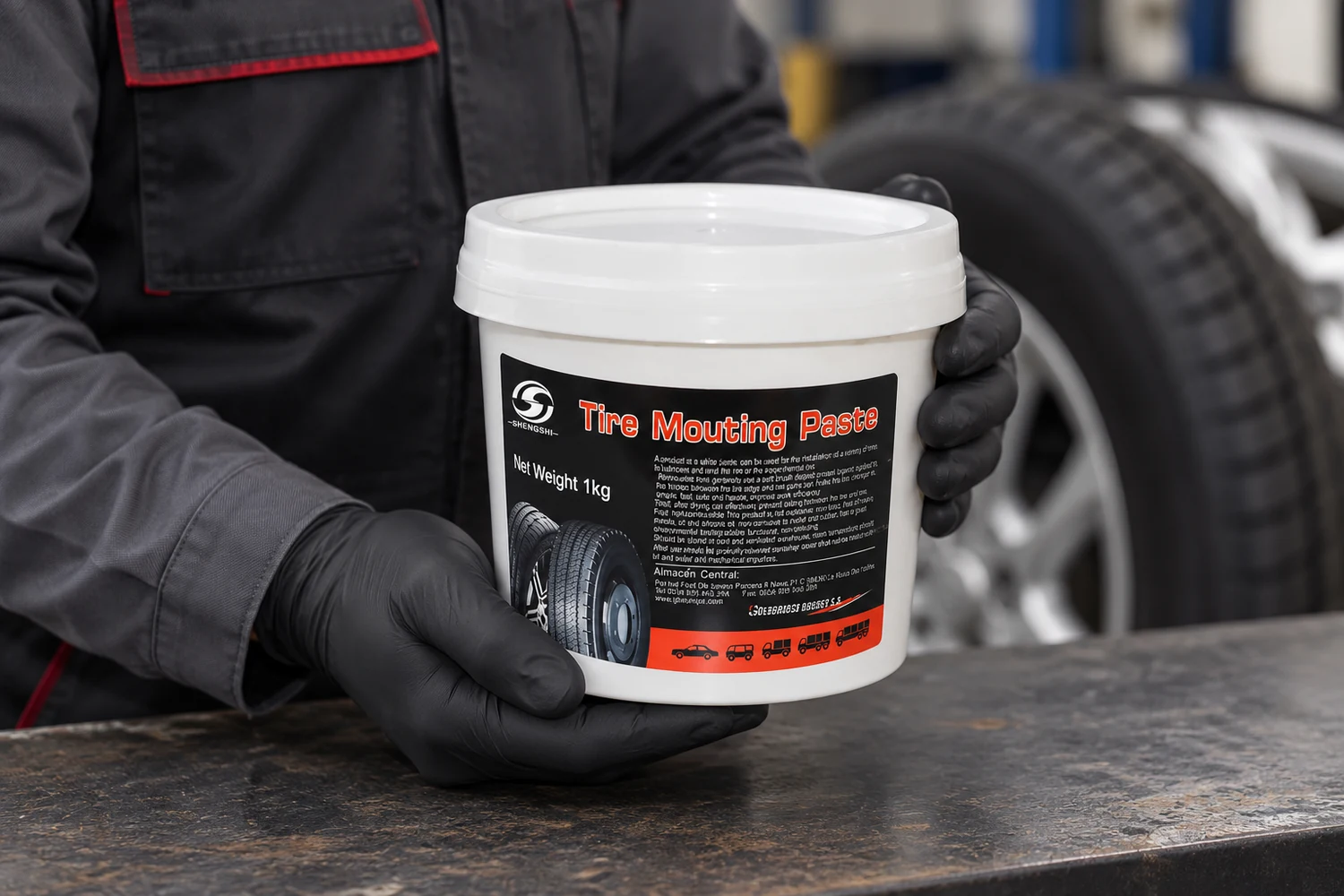
SSWYAUTO identifies this product as a yellow paste for passenger car tire installation and removal. Its stated purpose is to reduce friction between the tire bead and wheel rim. A useful evaluation therefore connects the published description to the workshop task, rather than treating color or package appearance as sufficient evidence of suitability.
Start with the tires the workshop actually handles
The published application is passenger car tire mounting, with cars, SUVs and light vehicle tires listed in the technical data. This provides a defined starting point for passenger vehicle service buyers. It does not establish approval for every tire construction, wheel finish or operating procedure within those broad vehicle categories.
Keep the main application in view
A purchasing brief should describe the assemblies normally handled by the workshop. Record the tire and wheel requirements that the selected lubricant must satisfy, then compare the supplier response with the relevant equipment instructions. This keeps a general product category from becoming an assumed fitment approval for a particular job.
Treat additional applications as separate checks
The product description also mentions automobile and motorcycle tire installation. Buyers considering motorcycle service should confirm the intended tire and wheel combination separately. That additional mention does not remove the need to follow the applicable service procedure, and it should not expand a passenger-car supply brief into an unrestricted all-vehicle claim.
Translate the published data into buying questions
The clearest specifications describe appearance, function and application. They are useful for identifying the product and comparing it with a purchasing requirement. They do not supply a quantified drying time, dilution ratio or performance test result. Those missing details should become supplier questions when they matter to the intended service process.
| Decision factor | Published information | Evaluation question |
|---|---|---|
| Appearance | Yellow paste | Does the supplied item match the agreed product description? |
| Application | Passenger car tire mounting | Which tire and wheel combinations will be evaluated? |
| Suitable tires | Car, SUV and light vehicle tires | Do the workshop instructions permit the proposed use? |
| Function | Tire mounting lubrication | What application and handling guidance accompanies supply? |
| Supply options | OEM service and customized packaging | Which packaging and label details need written agreement? |
A receiving check can use these same dimensions. Compare the supplied description, container identification and agreed packaging against the order record. If a shipment differs from the approved sample or written specification, resolve that difference before placing it into normal workshop stock. This is a procurement check, not a substitute for technical acceptance.
Evaluate handling as part of product selection
The source describes a paste texture that can be applied with a brush or applicator. That information supports a handling discussion for yellow tire mounting lubricant paste, but it does not define a universal quantity for each tire. Application must remain consistent with the specific lubricant, tire and equipment instructions.
Ask for the complete operating information
The product page describes cleaning the contact area, applying the paste and checking bead seating after installation. A buyer should obtain complete current handling information before workshop use. Public marketing steps are not a complete tire-service training procedure, and they should not be used to infer missing pressure, timing or dilution settings.
Assess consistency without inventing a performance claim
The page describes reduced friction and gradual drying after installation. A practical assessment can record how the product is handled under the intended workshop conditions and whether the supplied directions are clear. No guaranteed installation time, labor saving or damage-free result should be added to the purchasing specification without supporting evidence.
Match packaging to the supply arrangement
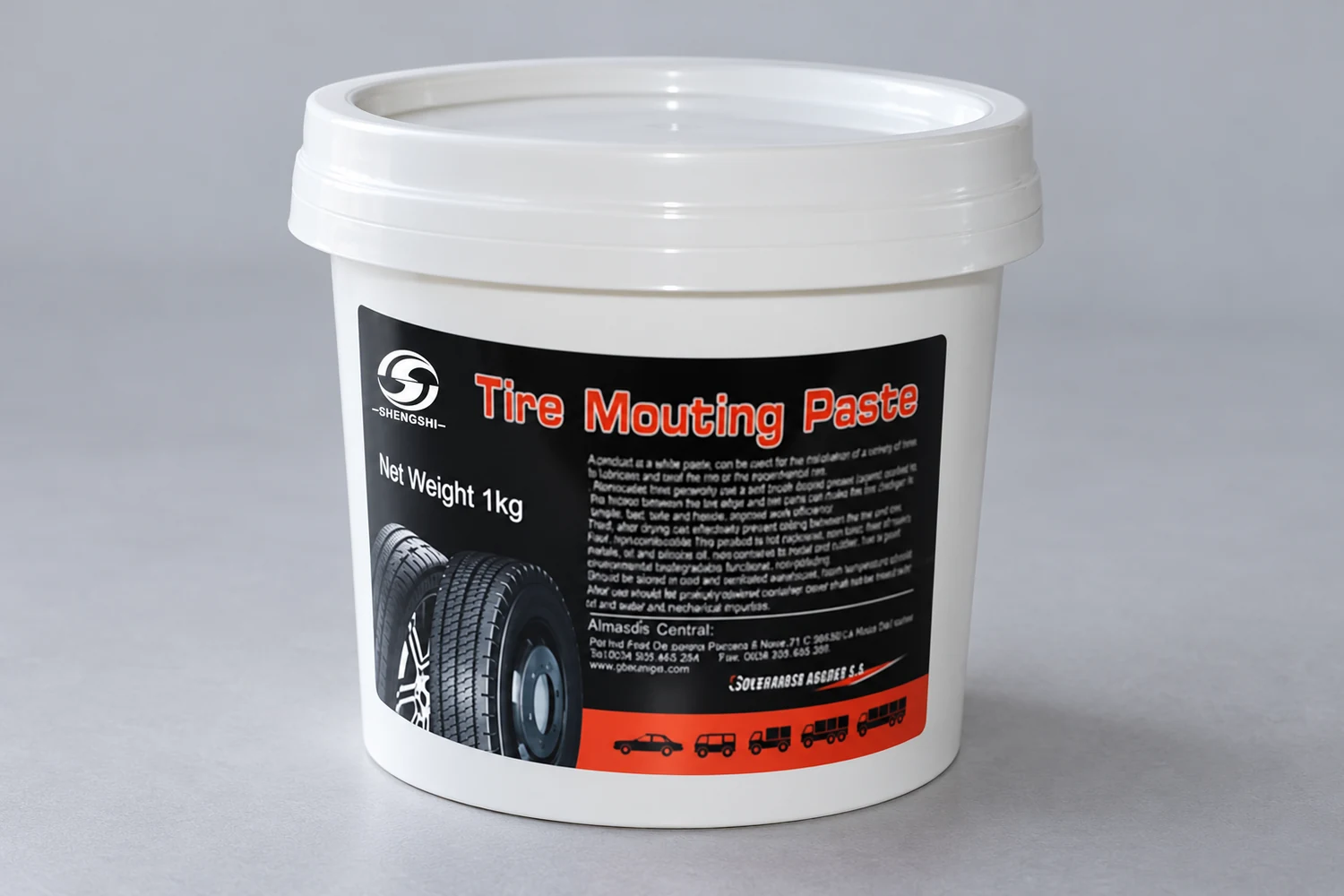
Packaging decisions should follow the intended receiving, storage and dispensing arrangements. The product page lists customized packaging and private label service, while its technical table states that OEM service is available. These are supported discussion points for distributors; they do not establish a particular order minimum, delivery schedule or approved label design.
Define the distribution requirement
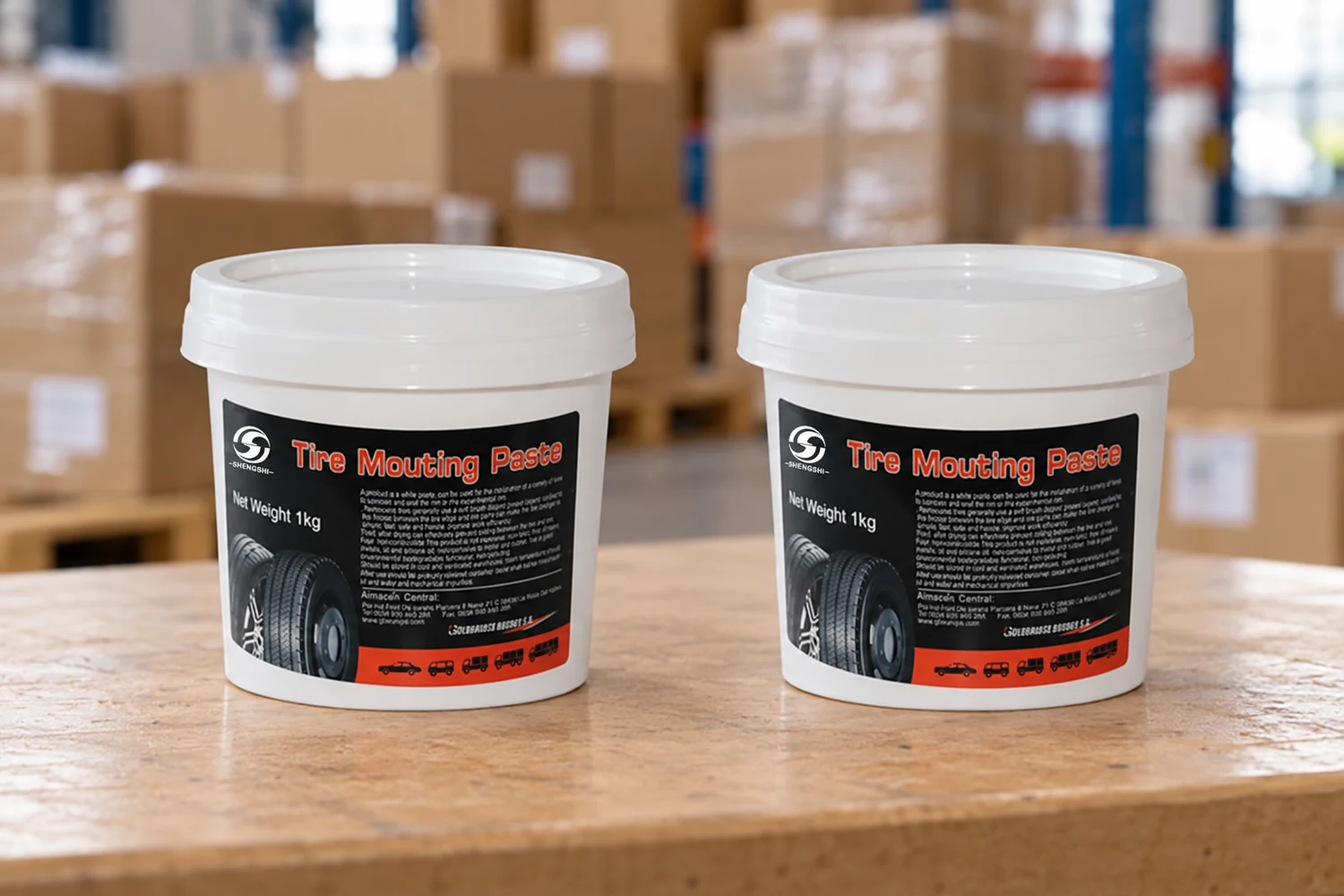
For tire shop and workshop supply, the buyer can describe how stock moves from delivery to the service bench. Include the desired container format, identification needs and expected storage conditions in the inquiry. The supplier can then clarify which options belong to the proposed order instead of relying on a general catalog photograph.
Keep label and product approval connected
A private label supply discussion should include the agreed product identity and the information that will accompany it. Review the label wording alongside the supplier documentation before approving artwork. A customized presentation should not introduce unsupported certifications, broader vehicle coverage or performance promises that are absent from the agreed technical specification.
Build a focused evaluation record
A short written record makes the selection decision easier to review. It should separate confirmed product information from open questions and observations made during an appropriate professional evaluation. This gives purchasing and workshop teams the same reference without presenting preliminary feedback as a proven product capability.
- Define the task: identify the intended tire application and applicable workshop procedure.
- Confirm the documentation: request current handling, storage and product identification information.
- Agree the supply format: record packaging and any label requirements before approval.
- Review the evidence: compare the supplier response and evaluation observations against the original brief.
The final decision should explain why the selected item meets the stated requirement and identify anything still awaiting confirmation. A clear record is more useful than a broad claim of universal suitability. It also provides a consistent basis for checking later deliveries and discussing changes with the supplier.
Frequently Asked Questions
What is the main stated use of this product?
The main stated use is passenger car tire mounting. The technical data lists cars, SUVs and light vehicle tires, and the description covers installation and removal. Buyers should evaluate the exact assemblies they handle rather than treating those vehicle categories as a complete compatibility list.
Does the yellow color establish performance?
No quantified performance rating follows from color alone. Yellow is the published appearance of this paste. Selection should also consider the stated mounting function, the application requirements and the handling information supplied for the intended use. Color should remain an identification detail in the purchasing record.
Can drying time or dilution be assumed?
The page describes gradual drying but does not provide a quantified drying interval or dilution instruction for the proposed use. Request those details when required. Do not copy a timing or mixture from another brand, a different paste or a vehicle procedure that does not apply to the job.
Is customized packaging available?
The page explicitly offers customized packaging and private label service, and it lists OEM service as available. The buyer still needs to agree the actual format, artwork and accompanying product information. Availability of a service is not confirmation that a particular proposed package has already been approved.
What should an initial inquiry contain?
An initial inquiry should describe the intended tire application, the workshop handling requirements and the preferred supply format. Include any documentation needed for evaluation. This gives the supplier a concrete basis for answering suitability and packaging questions without assuming an order quantity or commercial commitment.
Compare the product with the workshop brief
Review the yellow tire mounting lubricant paste description with the intended application and packaging requirements in hand. Ask SSWYAUTO to clarify the remaining handling and supply questions before completing the evaluation.