
How Should Buyers Evaluate a TR Car Tire Valve for Service?
A tr car tire valve should be selected by matching its verified pressure limit, material, stem height, vehicle application, and confirmed rim interface.
Model TR415 is identified as a black snap-in tubeless tire valve made with a rubber body and brass stem. The selected product page gives an approximate total height of 45 mm, a maximum pressure of 65 PSI, and listed applications covering passenger cars, light trucks, and trailers. Those facts define a useful starting point, but they do not remove the need to check the actual wheel, tire pressure, service method, and local operating requirements.
A disciplined evaluation also notices uncertainty. The page contains two conflicting rim-hole diameter values, so this article does not choose either one. Procurement and service teams should resolve the required wheel interface with the supplier and record the agreed dimension in the technical specification before ordering or installation. That single check protects the integrity of the rest of the review.
Start With the Verified Product Definition
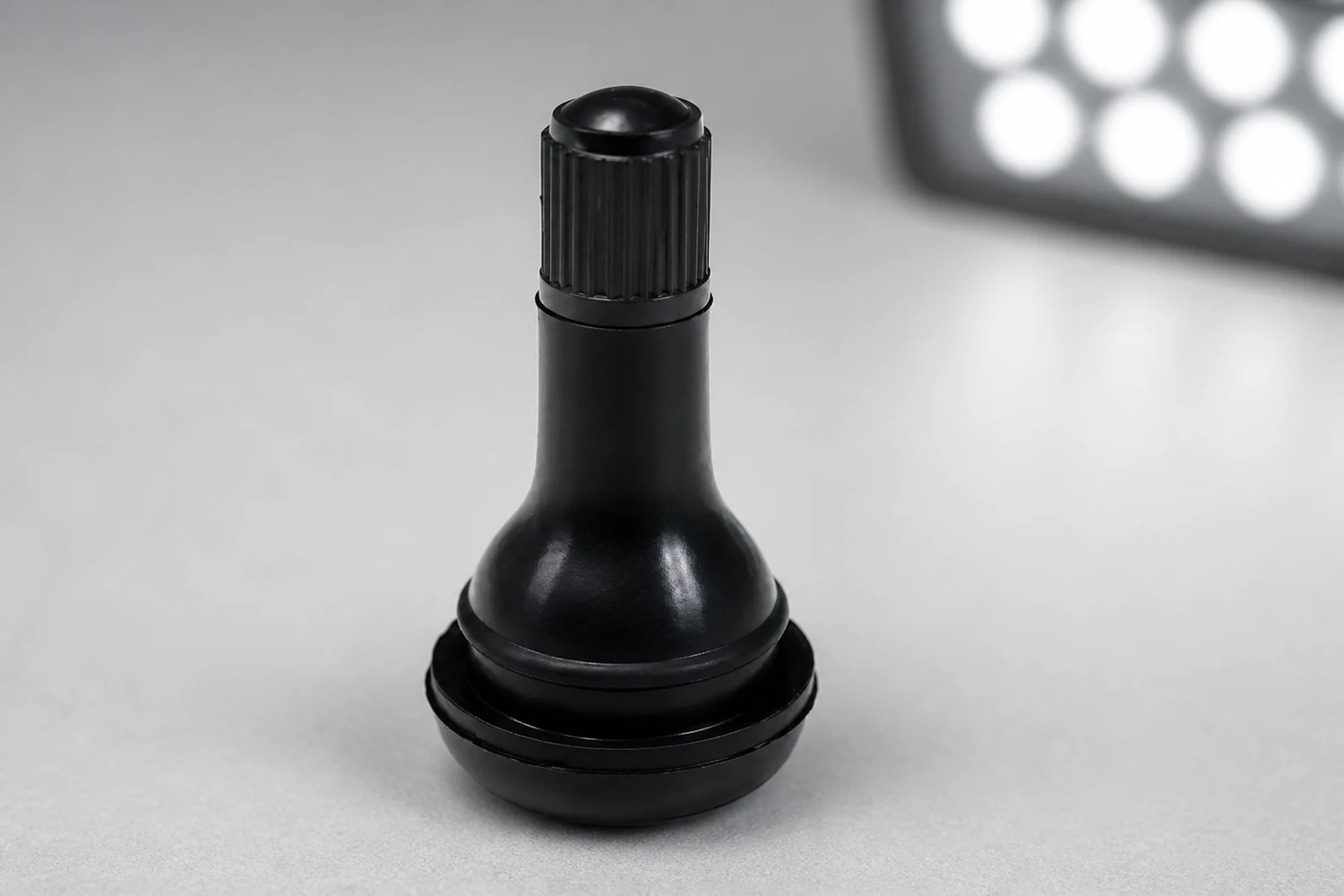
The product is a snap-in valve for tubeless tire use, not a clamp-in metal valve or an electronic pressure sensor. Its visible geometry includes a broad rubber sealing base, a tapered body, and a capped stem. Buyers can use the model, type, material, color, height, and pressure rating as the core comparison dimensions for samples, quotations, inventory records, and incoming inspection.
Read the 65 PSI Limit as a Selection Boundary
The verified maximum pressure is 65 PSI. This is a product limit, not a recommended inflation pressure for every vehicle. The service team should compare the tire and vehicle requirements with the valve rating and follow the vehicle or tire manufacturer’s service information. If the intended operating requirement falls outside the verified limit, the buyer needs a different, appropriately rated valve rather than an assumption that the listed category covers every condition.
Use Material and Height as Inspection Points
The accepted material description is rubber with a brass stem, and the color is black. The approximate total height is 45 mm. Incoming inspection can compare those features with the approved sample, confirm that the rubber is free from visible cuts or distortion, check that the stem and cap area are intact, and verify overall shape. Material identity and dimensions should be documented without inferring unlisted compound grades or coating specifications.
Resolve Fitment Before the Service Bay
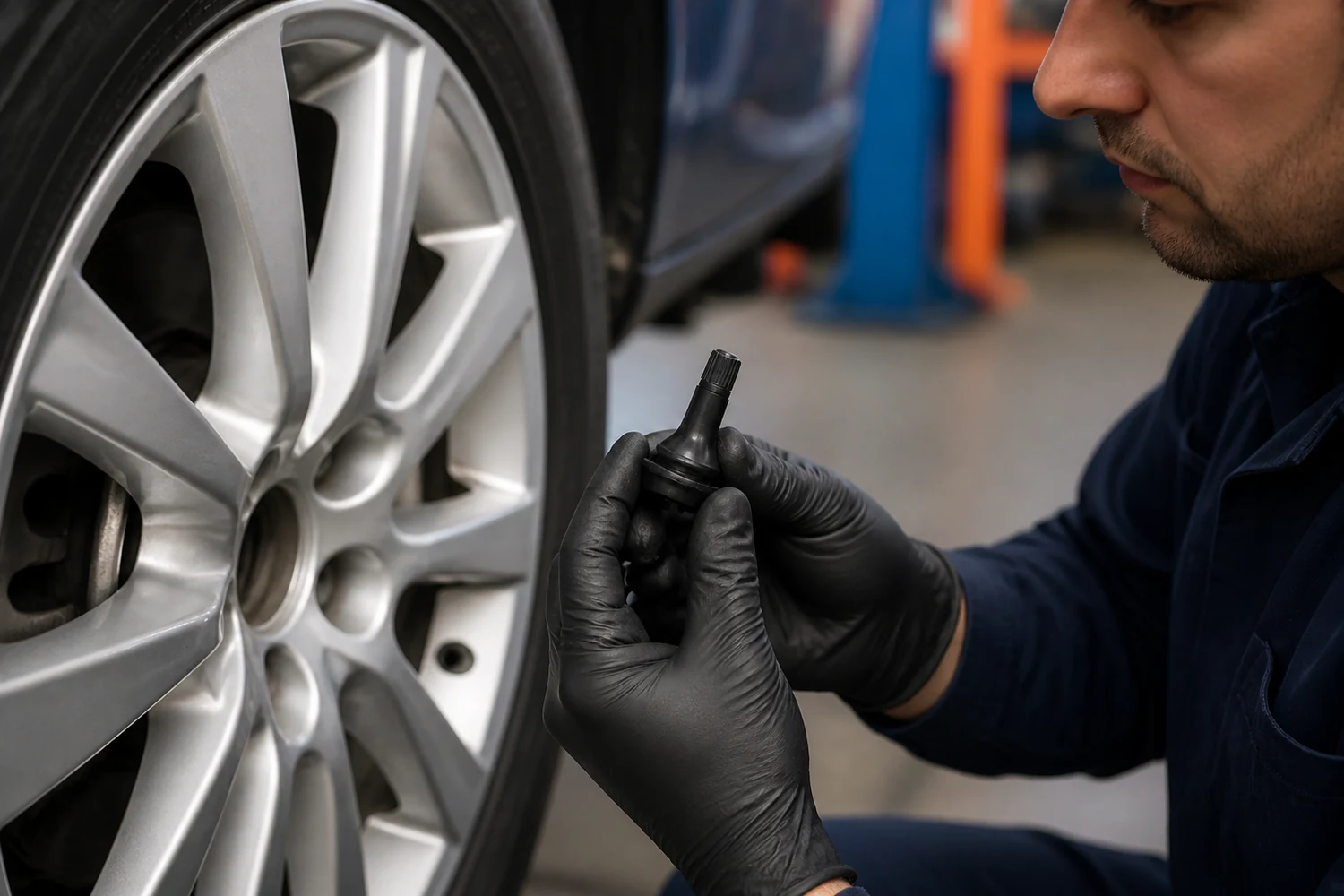
A valve can match a general vehicle category and still be wrong for a specific wheel. The wheel interface, rim condition, valve access, tire pressure, and installation method all affect selection. Because the source page gives conflicting rim-hole values, the buyer should request one confirmed drawing or specification for the supplied model and match it to the actual wheel before installation.
Check the Wheel, Not Only the Vehicle Label
The listed applications are passenger cars, light trucks, and trailers. These categories guide assortment planning, but they are not universal-fit guarantees. In passenger vehicle service, technicians should identify the wheel construction and confirm that a snap-in tubeless valve is appropriate. A distributor can support this process by keeping the agreed interface, pressure boundary, and inspection method attached to the SKU record.
Treat Other Service Contexts as Separate Reviews
The product-specific use-case list includes commercial vehicle service and motorcycle service, but those broad contexts still require application-level confirmation. Wheel geometry, required inflation pressure, valve orientation, speed and load conditions, and applicable service information may differ. A buyer should therefore use the product page to open the evaluation, not to bypass the vehicle- and wheel-specific checks that determine whether the valve is suitable.
| Decision factor | Verified evidence | Buyer implication |
|---|---|---|
| Product type | Snap-in tubeless tire valve | Confirm that the wheel and service procedure require this valve type. |
| Material | Rubber with brass stem | Use the approved sample to define visual and incoming checks. |
| Total height | Approximately 45 mm | Check service access and compare the sample with the agreed drawing. |
| Maximum pressure | 65 PSI | Compare with the intended operating requirement before approval. |
| Applications | Passenger cars, light trucks, trailers | Use categories for planning, then confirm each wheel-level fitment. |
Define a Controlled Installation and Verification Workflow
A TR car tire valve should enter service only after the technician confirms the wheel is suitable, inspects the valve and rim area, and follows the approved installation method. The process should finish with inflation to the correct vehicle-specific pressure, a leak check around the installed valve, and final inspection. Wheel balancing may follow tire reassembly when required by the service procedure.
Turn the Product Facts Into Bay-Level Checks
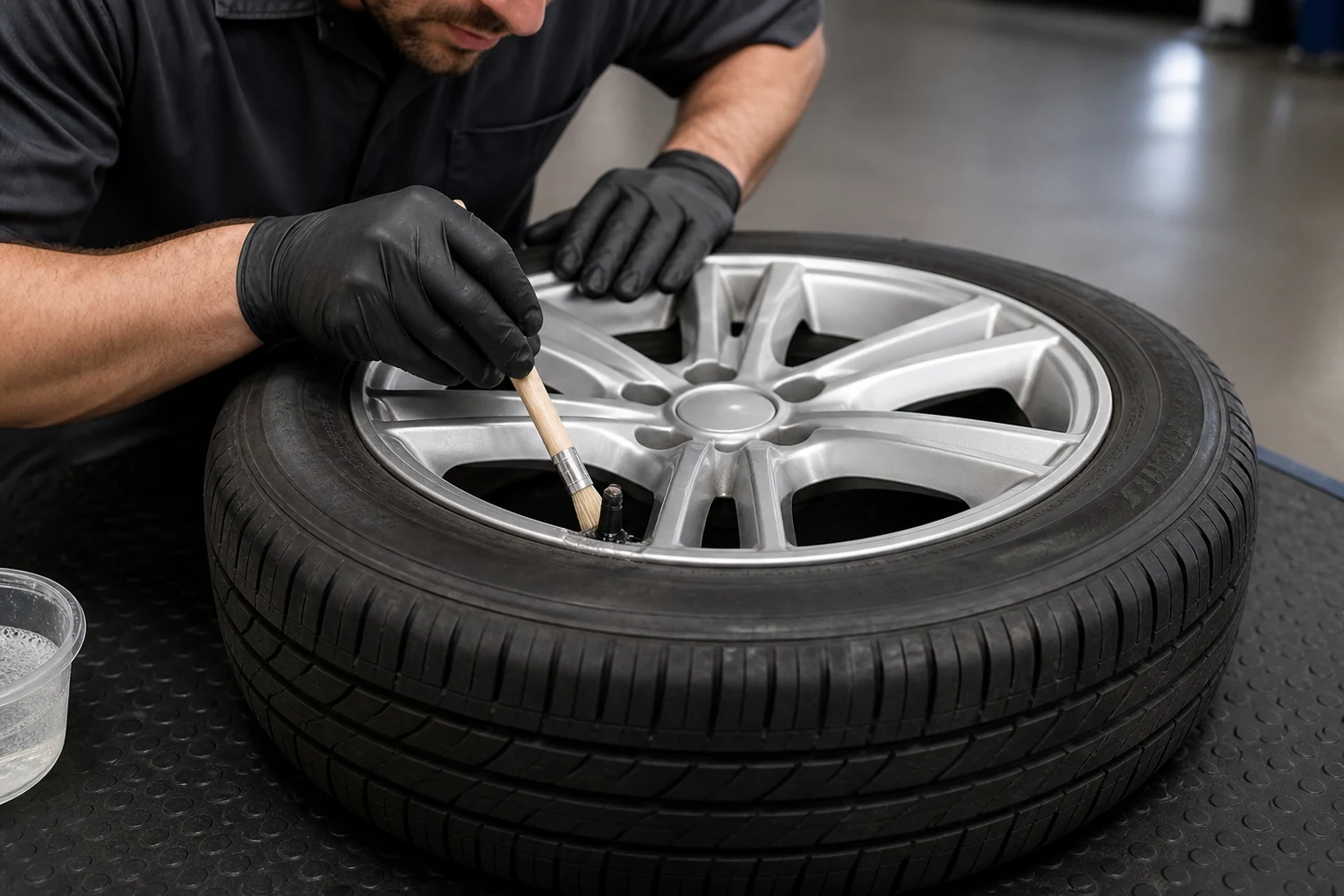
A practical checklist keeps the operator focused on evidence. It should identify the approved valve model, confirm visible condition, verify the interface specified for the wheel, use the correct installation tool and compatible lubricant where the approved procedure requires them, and avoid damaging or overstressing the rubber body. The final leak test and pressure check should be recorded according to the workshop’s service documentation.
Keep Product Selection and Safety Decisions Distinct
The source page supports product-selection facts, but it does not replace the wheel manufacturer’s instructions, the tire manufacturer’s limits, the vehicle placard, or local service requirements. Procurement can approve an item for a defined application set only after those references align. This avoids turning a 65 PSI component limit into a general operating recommendation or treating a service category as proof of fit.
- Before ordering: resolve the conflicting rim-hole information and obtain one approved product drawing.
- At receiving: compare model, type, black color, rubber-and-brass construction, height, and visible condition with the approved sample.
- Before installation: confirm the wheel interface, required pressure, valve access, and correct service procedure.
- After installation: inspect seating, inflate to the vehicle-specific requirement within component limits, check for leakage, and document the result.
Plan Inventory Around Evidence, Not Assumptions
Distributors, tire-service chains, and fleet buyers can use TR415 as a defined SKU only when the supporting record is equally clear. The record should include the verified specification, approved sample or drawing, confirmed wheel interface, pressure boundary, supported application list, inspection method, and any agreed labeling or packaging information. This gives sales, warehouse, and service teams one shared basis for decisions.
For mixed workshops, related use cases can influence stocking discussions, but each needs its own fitment check. A tire-service chain may separate passenger-car demand from trailer or light-truck demand, while a distributor evaluates regional wheel patterns and service access. This structured approach supports replenishment without assuming that one model belongs in every tire-valve position.
Frequently Asked Questions
What type of valve is TR415?
The selected product page identifies TR415 as a snap-in tubeless tire valve. Buyers should still confirm that this valve type matches the intended wheel and approved service procedure.
What material and height are verified?
The accepted facts state a rubber body with a brass stem, black color, and an approximate total height of 45 mm. No unlisted compound grade or coating should be inferred.
What is the verified maximum pressure?
The maximum pressure is 65 PSI. That figure is a component boundary; the correct cold inflation pressure for a vehicle must come from the applicable vehicle and tire guidance.
Which applications are listed?
Passenger cars, light trucks, and trailers are the verified application categories. Product-specific use cases also reference workshop and aftermarket contexts, but every wheel-level fitment still needs confirmation.
Why is the rim-hole diameter omitted?
The source page presents conflicting diameter values. Publishing either as the approved value would be misleading, so buyers should obtain a single confirmed specification from the supplier before purchase or use.
Compare the Verified Specification With the Wheel
Review the TR car tire valve product page, then request confirmation of the wheel interface and align the model, pressure limit, application, inspection, and service requirements before inquiry.