

Technical checks for tr ov truck tire valve brass clamp in use
Buyers evaluating tr ov truck tire valve brass clamp in use should confirm the oval rim interface, material set, torque range, pack quantity, and service controls.
Start with the Verified Interface and Component Set
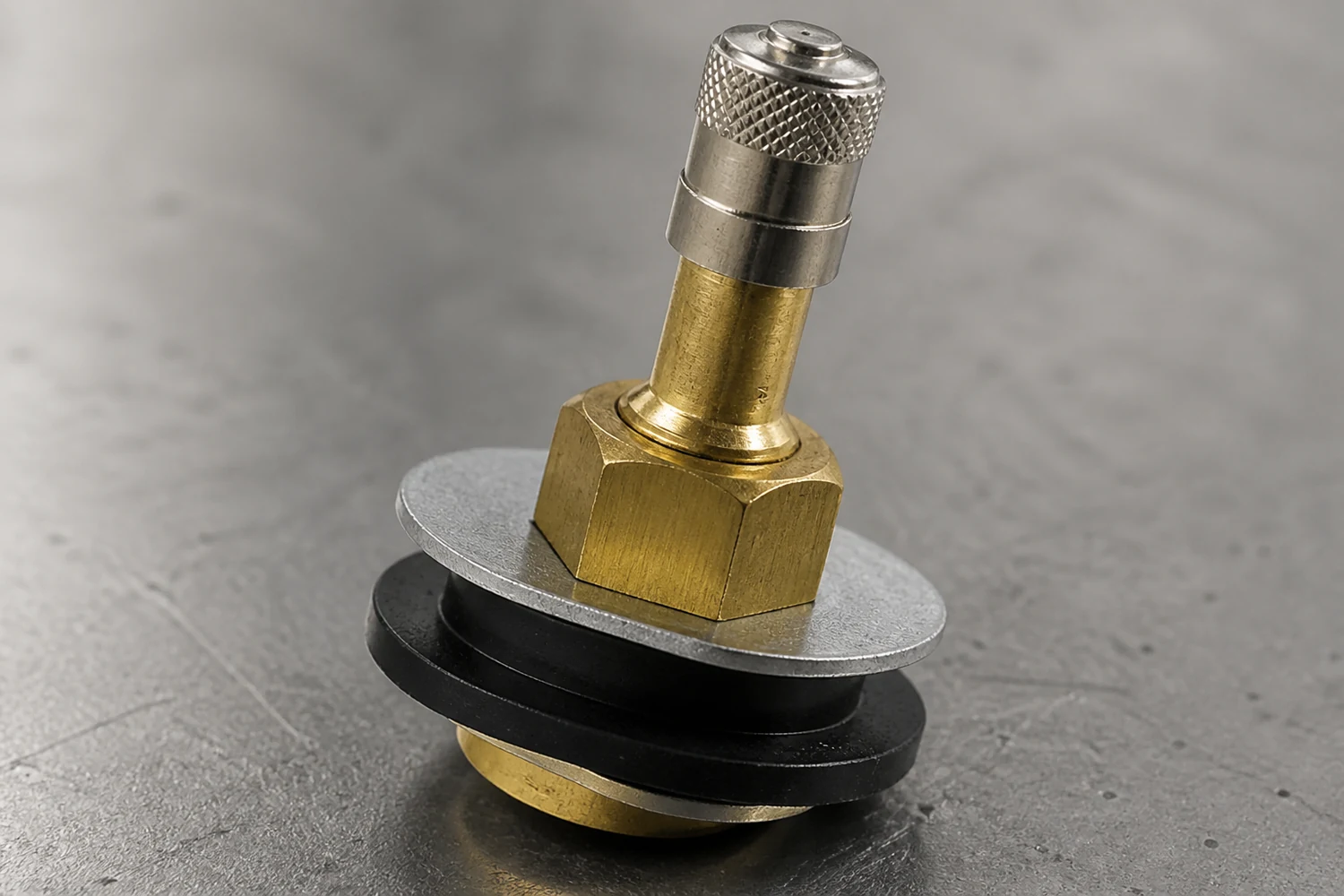
The selected TR501OV is a clamp-in valve specified for tubeless truck tires. Its corroborated component description is brass, rubber, and a steel washer, and its verified valve-hole interface is oval. Those facts define the first procurement gate: the buyer must match the actual wheel opening and assembly arrangement to the physical sample and approved wheel documentation. A vehicle category or similar-looking valve is not enough to establish compatibility.
Treat Oval Geometry as an Interface Requirement
An oval base should be reviewed as a geometry-controlled sealing interface. Inspection can compare the base outline, washer position, rubber seating surface, stem alignment, and how the assembly sits in the intended rim opening. The page contains a conflict in the product-name evidence and inconsistent effective-length values, so neither an alternate product designation nor a length should be copied into an approved specification without written resolution.
Check Every Declared Material in the Assembly
The brass body, rubber element, and steel washer each have a different functional role, but the product page does not provide a complete material grade or acceptance tolerance. Buyers can therefore verify presence, geometry, surface condition, fit, and workmanship on samples while requesting any grade, finish, hardness, or environmental requirements separately. This keeps the review grounded in evidence and avoids converting a broad material label into an unsupported performance guarantee.
| Decision factor | Verified evidence | Buyer implication |
|---|---|---|
| Valve type | Clamp-in | Confirm the complete mounting arrangement and approved procedure. |
| Material set | Brass, rubber, and steel washer | Inspect every component and request missing material details. |
| Valve-hole interface | Oval | Match the actual rim opening rather than assuming universal fit. |
| Torque | 35–55 in-lb | Use the approved value and calibrated tool under the service procedure. |
| Pack quantity | 100 pieces | Plan receipt inspection and batch traceability at pack level. |
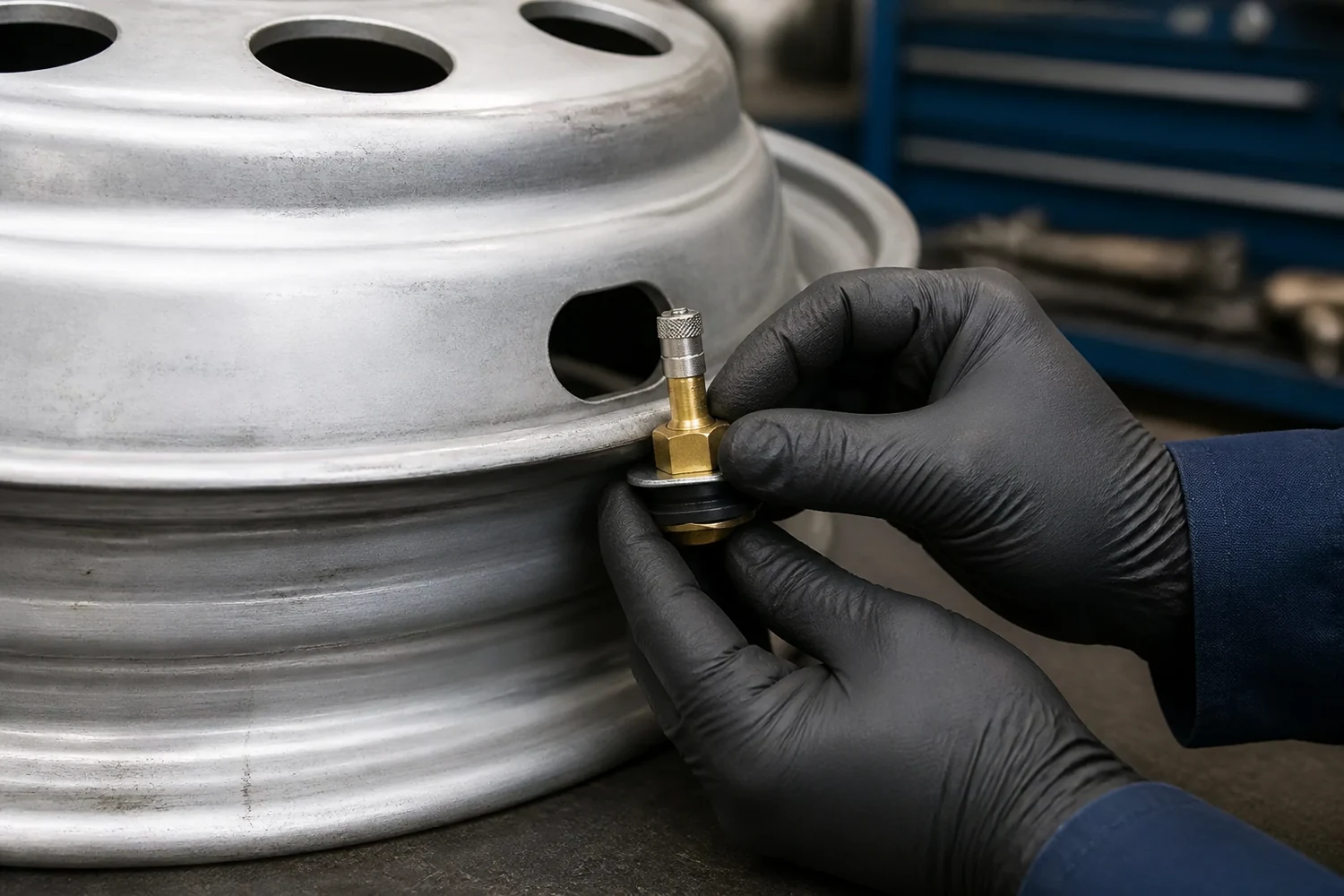
Control Torque Without Treating It as a Fit Shortcut
The declared torque range is 35–55 in-lb. That range is a controlled assembly input, not proof that the valve belongs in any particular wheel. Interface compatibility, component condition, seating, tool access, and the governing wheel and tire instructions still need confirmation first. The final approved value should be documented for the exact configuration so technicians do not choose a number independently inside a broad range.
Use a Defined Tool and Sequence
A controlled procedure identifies the tool, unit, target value, tightening sequence, access angle, and inspection point. It should also define what to do when the washer, rubber element, stem, or rim opening shows damage or does not seat as expected. Professional rim-wheel work belongs with trained personnel following current equipment and wheel-manufacturer instructions. The product page cannot replace those workplace controls.
Torque records become more useful when they identify the instrument and its calibration status rather than storing only a final number. Supervisors can then distinguish an installation error from a tool-control issue during review. A supplier sample can support assembly trials, but the buyer's qualified service organization remains responsible for approving the method, equipment, work area, and release criteria used in its operation.
- Identify the wheel: confirm rim type, opening geometry, and approved component compatibility.
- Inspect the valve: check the brass body, rubber element, washer, threads, and visible surfaces.
- Prepare the service: follow the applicable deflation, demounting, restraint, and equipment procedures.
- Assemble under control: seat the components correctly and apply the approved torque with suitable equipment.
- Verify the result: complete the required leak, pressure, wheel, and balance checks before release.
Place the Valve Inside the Full Service Workflow
The product is associated with commercial vehicle service and fleet maintenance. Balancing and TPMS-related work are also listed use contexts. These contexts intersect, but they are not interchangeable claims. A valve replacement may occur during scheduled tire work, a leak investigation, a wheel change, or another approved maintenance task. The service order should state why the valve is being handled and which checks must be completed afterward.
Coordinate Valve and Wheel-Balance Records
When valve work accompanies wheel balancing, the technician can document the installed part identity, rim position, pressure check, leak result, and final balance result in one service record. This does not mean the valve itself corrects imbalance. It means the two activities should be traceable when they occur in the same workflow. For fleet programs, the record can also link the vehicle, wheel position, date, technician, and replacement batch.
Supported tpms service also needs system-specific confirmation. The product page says the valve can appear in that service context, but it does not identify a sensor, protocol, or universal conversion. Procurement teams should separate the mechanical valve specification from any electronic component requirement, confirm the intended system independently, and prevent technicians from assuming that a shared service event makes all parts interchangeable.
Build Procurement Controls Around Samples and Packs
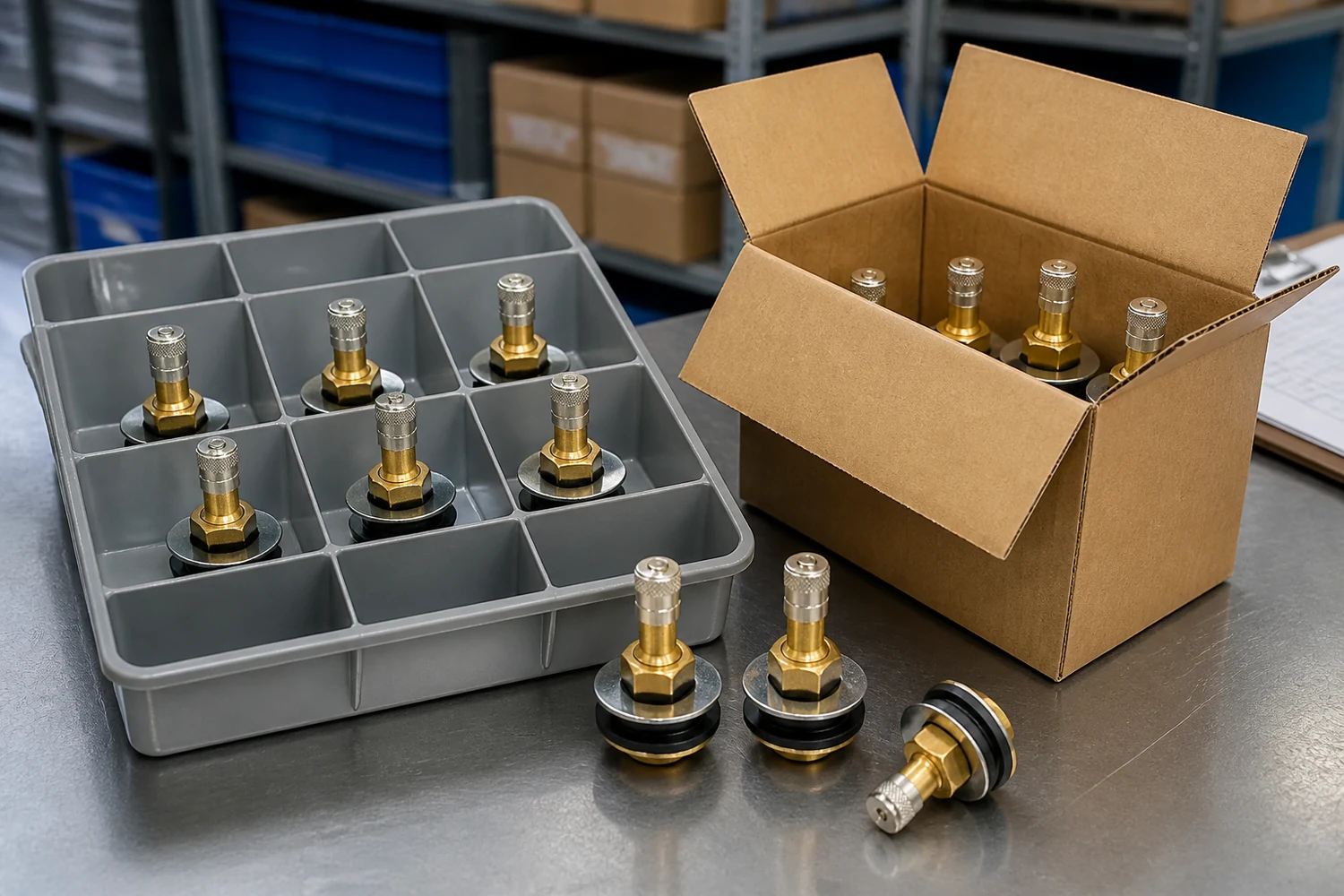
A 100-piece declared pack can support planned workshop inventory, but pack size alone does not establish lot consistency. Incoming inspection should compare the received part with the approved TR501OV sample and purchasing specification. Buyers can define sample size, identity checks, packaging condition, component count, visible workmanship, and any dimensional or functional checks agreed with the supplier.
Prevent Similar Parts from Mixing
The long core phrase tr ov truck tire valve brass clamp in reflects how the automated keyword plan parsed the product name, but operational records should use the approved model and verified oval interface clearly. Storage locations, labels, pick lists, and technician instructions can include a photograph or controlled drawing so visually similar parts are not substituted. Conflicting source fields should be flagged for supplier resolution before they enter a master data record.
Define the Supply Conversation Precisely
Private-label or OEM/ODM supply is a verified use context, so the buyer can discuss branded or program-specific requirements without assuming a particular customization is included. A useful enquiry identifies the model, oval interface, material set, torque range, pack quantity, intended service environment, documentation needs, sample plan, and target markets. Any branding, packing, grade, coating, test, or regulatory requirement should be confirmed in the quotation and approved sample record.
For repeat orders, the approved evidence set can include dated product photographs, component arrangement, pack count, inspection checklist, and the supplier's written resolution of conflicting fields. Receiving teams can compare each delivery against that controlled reference before releasing stock. This process is especially valuable when several valve types occupy nearby warehouse locations or serve different rim interfaces within one distributor catalog.
Use a Documented Approval Checklist
A documented approval path connects product evidence to receipt, installation, and service verification. It gives distributors and workshops a common reference when evaluating samples or investigating a later discrepancy. The checklist should remain specific to the intended wheel system and local procedure rather than presenting the product as universally compatible.
The checklist can also define stop conditions. A mismatch in model identity, base shape, component set, visible damage, approved torque record, or service documentation should pause release until it is resolved by the responsible technical authority. This is more reliable than accepting a part because it resembles the approved sample at a glance, and it keeps procurement, warehouse, and workshop decisions aligned.
- Product identity: confirm TR501OV and retain an approved physical sample or controlled image.
- Interface: verify the oval rim opening and complete mounting arrangement.
- Components: record brass, rubber, and steel-washer presence and acceptance criteria.
- Assembly control: document the approved torque, tool, unit, and service procedure.
- Verification: retain leak, pressure, wheel, and balance results required by the job.
- Supply record: connect the installed part to the received pack, batch, and purchasing record.
Frequently Asked Questions
Which application is verified?
The selected valve is specified for tubeless truck tires. Compatibility with a particular wheel still requires confirmation of the actual interface and approved service information.
What materials are declared?
The verified material set is brass, rubber, and a steel washer. The page does not provide every grade or acceptance tolerance, so buyers should define any additional requirement.
What torque range is listed?
The declared range is 35–55 in-lb. The approved value and procedure should be confirmed for the exact wheel and valve configuration before service.
Why is effective length omitted?
The source presents inconsistent effective-length values. A buyer should resolve the measurement definition and value in writing rather than selecting one figure.
How many valves are listed in a pack?
The declared quantity is 100 pieces. Receipt inspection can verify count, identity, component condition, and agreement with the approved sample.
Discuss Your Supply Requirements
Review the verified tr ov truck tire valve brass clamp in evidence, then discuss samples, interface confirmation, torque control, packing, documentation, and the intended service program.